Rovings

May 9, 2010

Before we get into the fiber, a quick update on the Rivendell socks, which are now 50% complete!

I have already cast on the second sock. I made a couple of minor errors which will need to be repeated and did not want to take a chance of forgeting, so no “second sock syndrome” here!

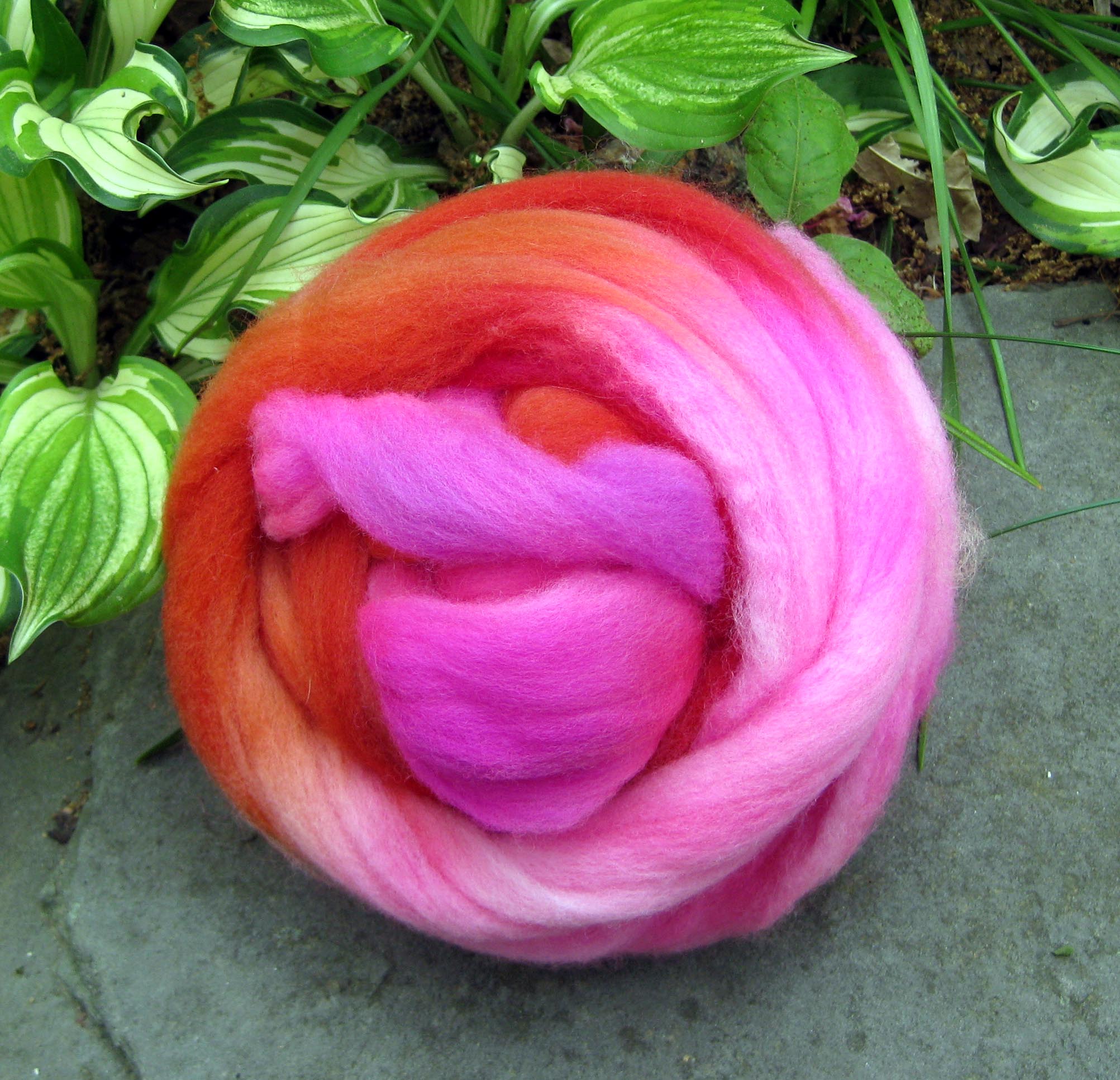
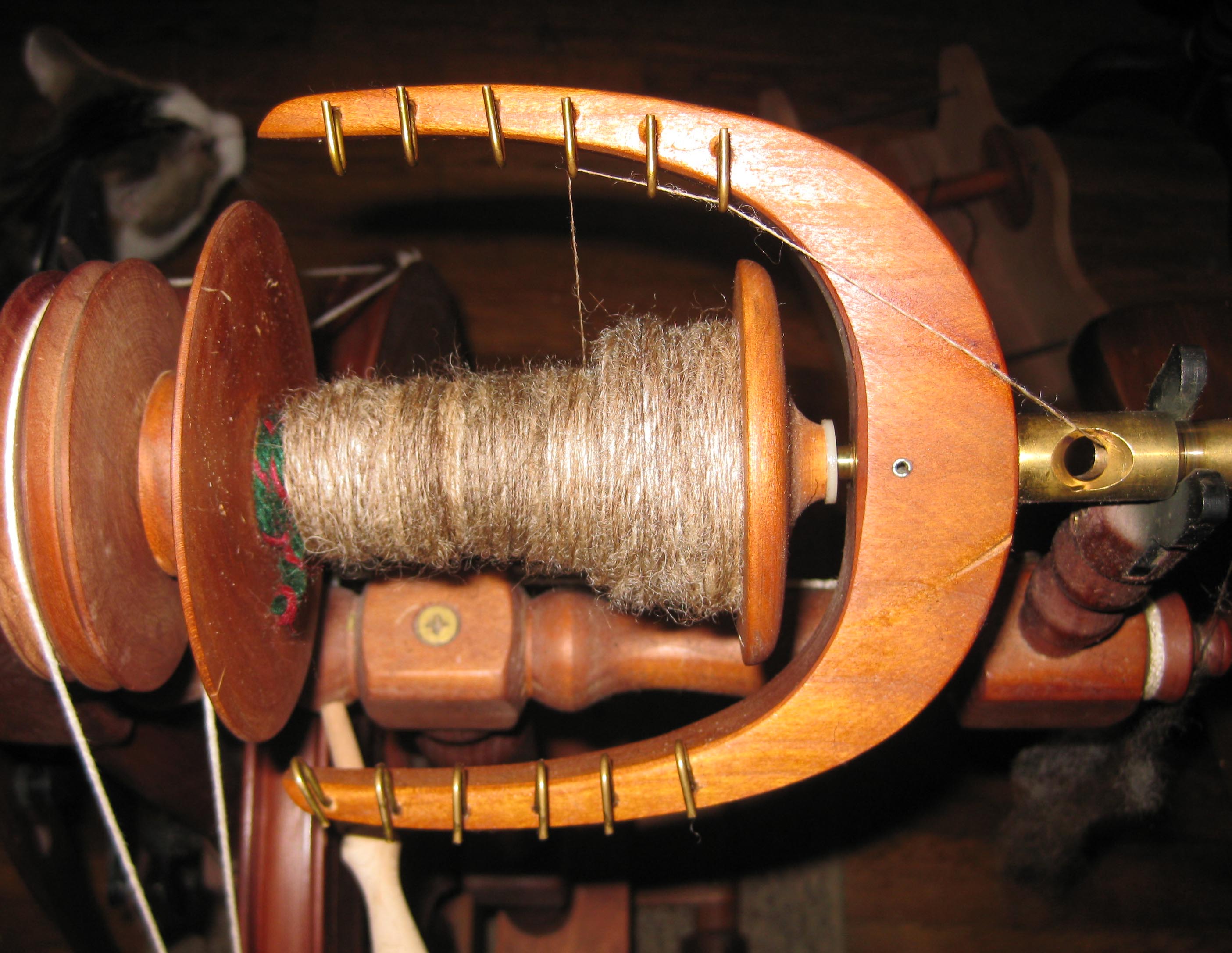
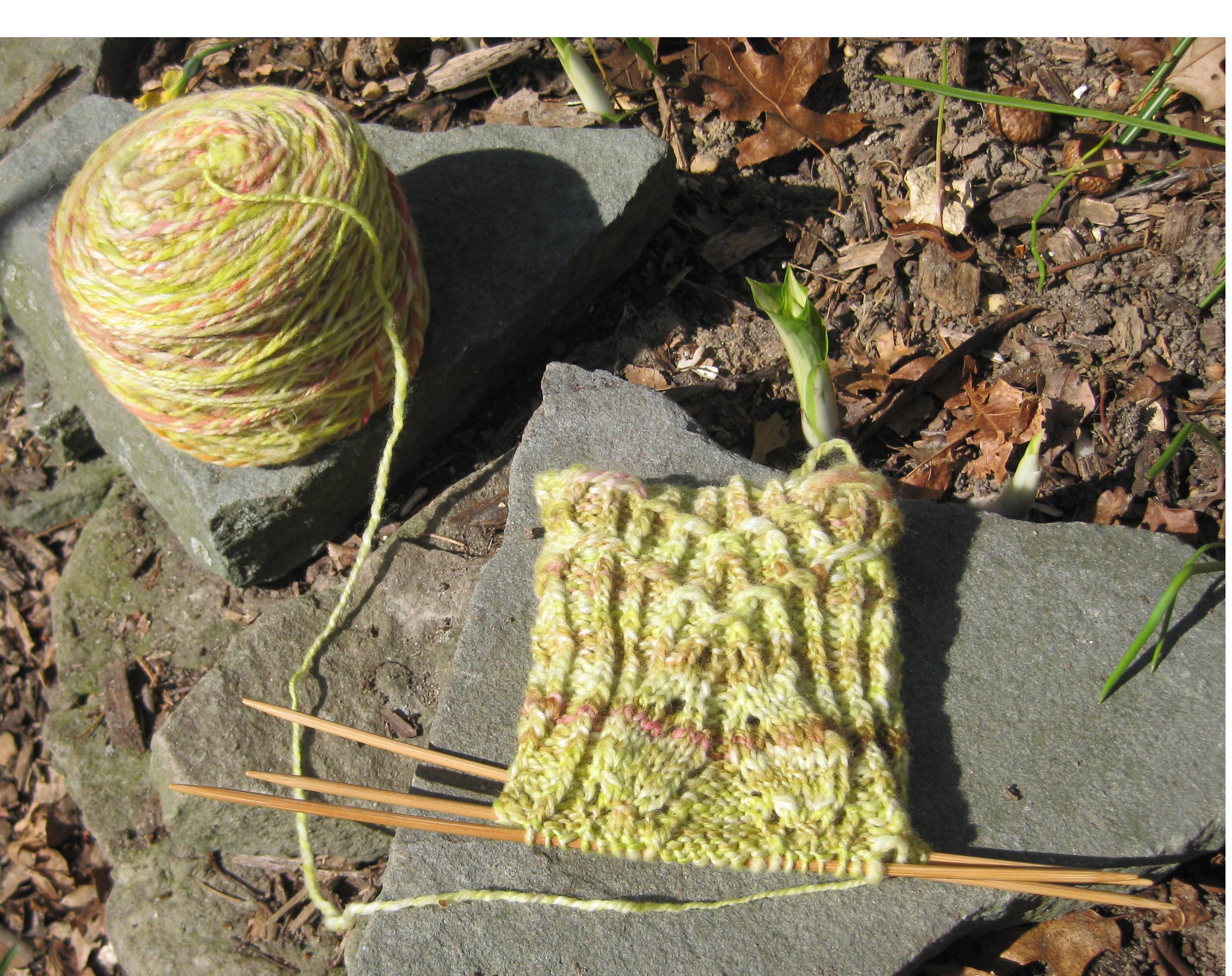
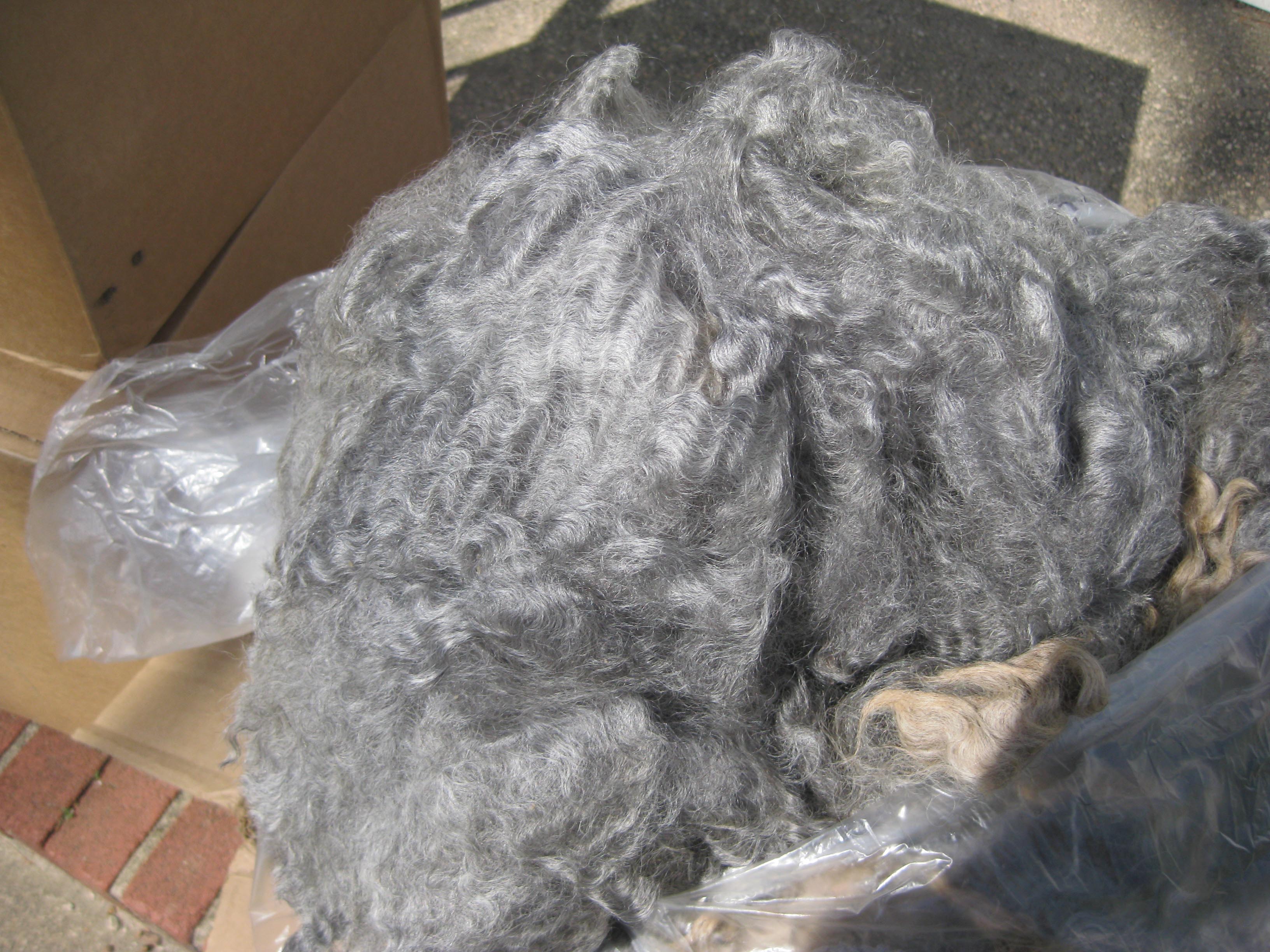
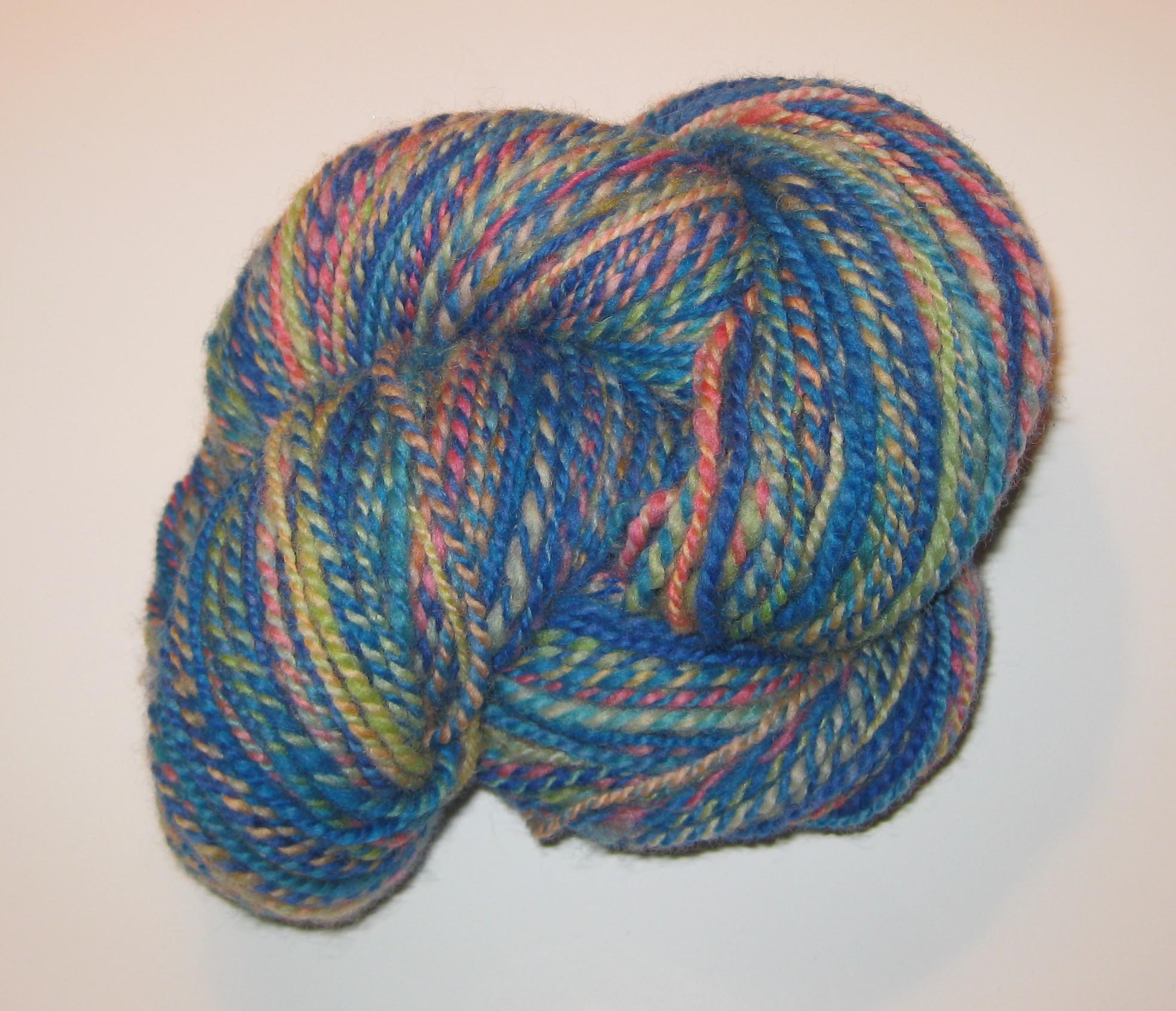
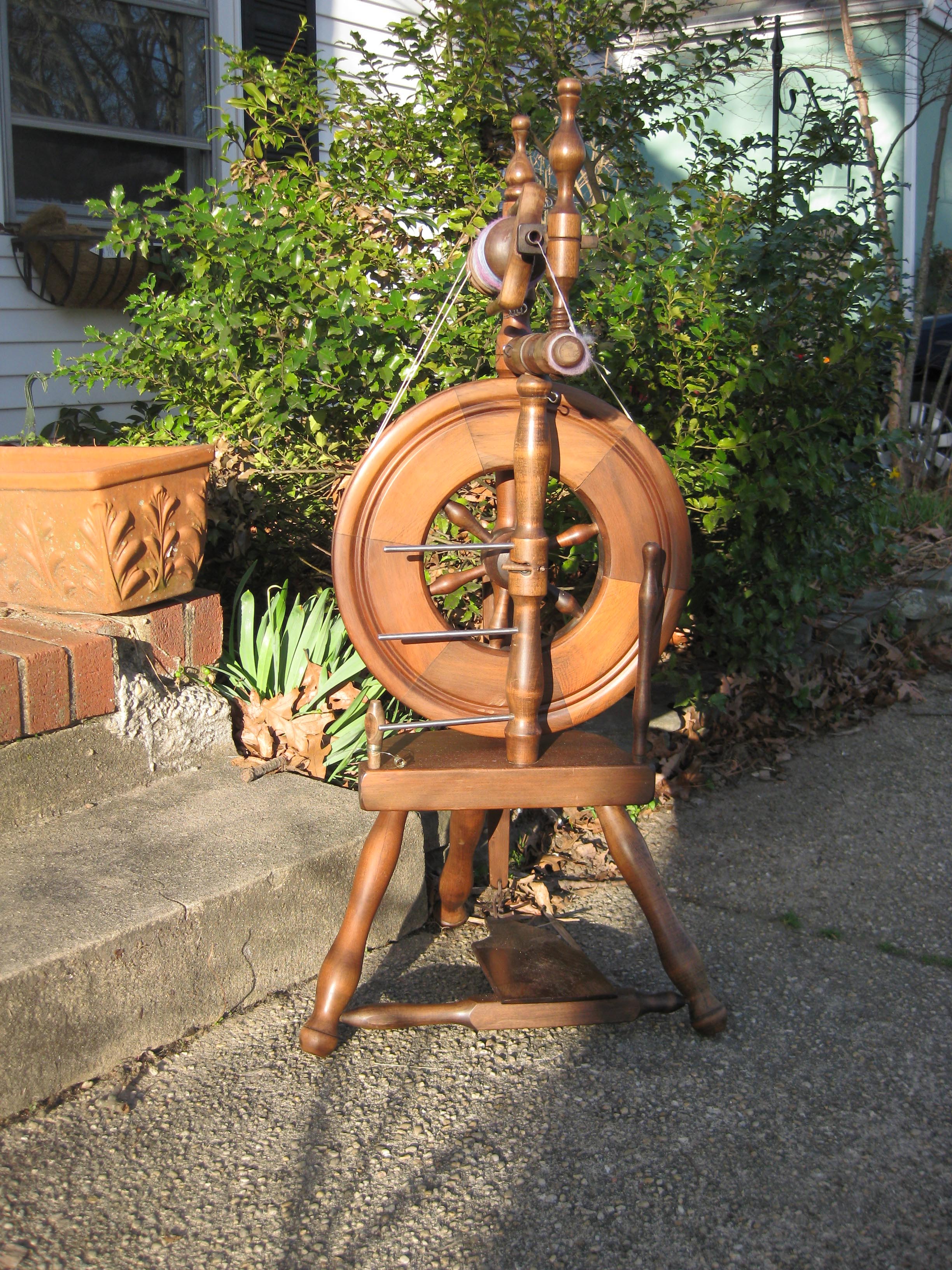
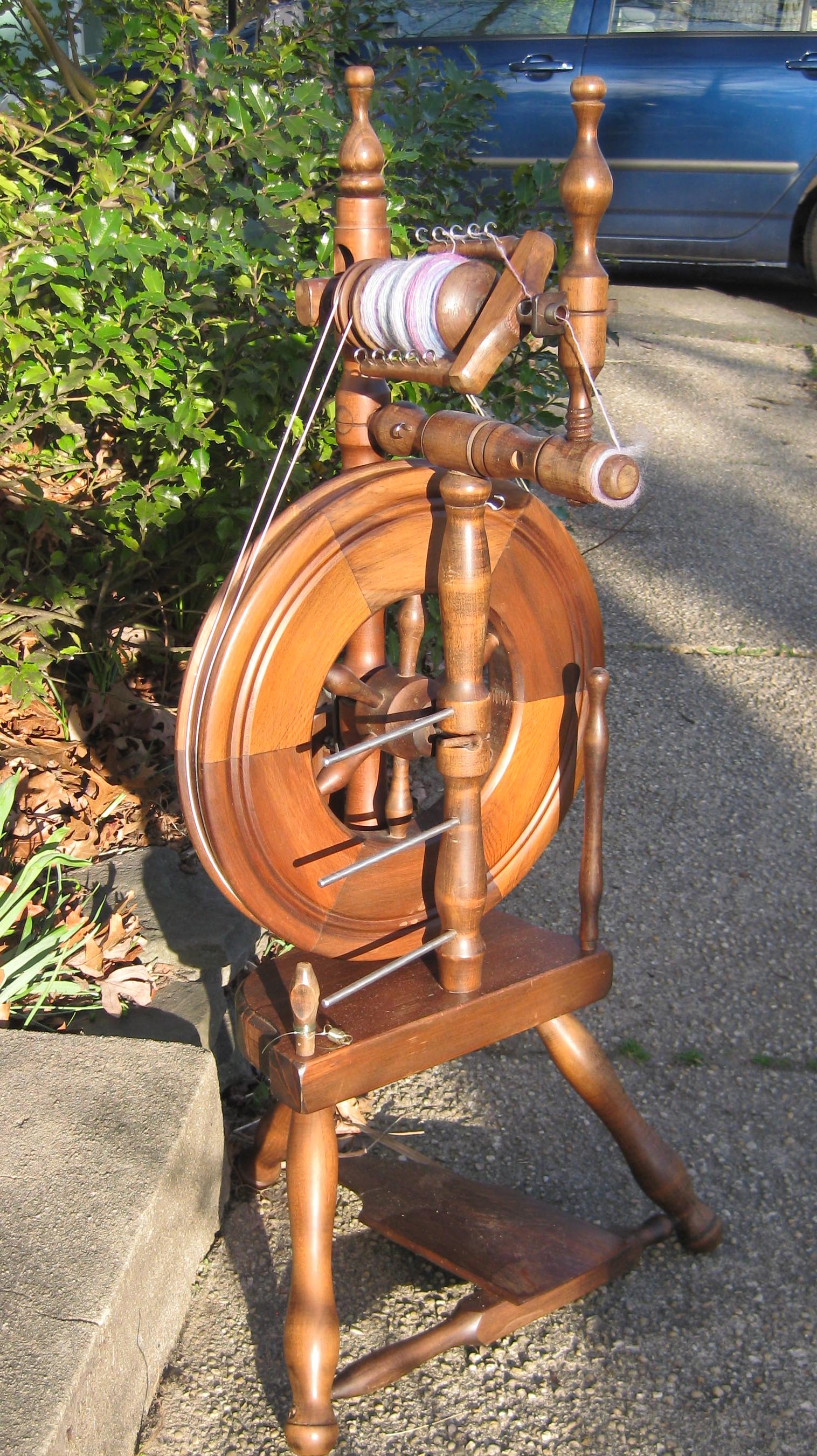
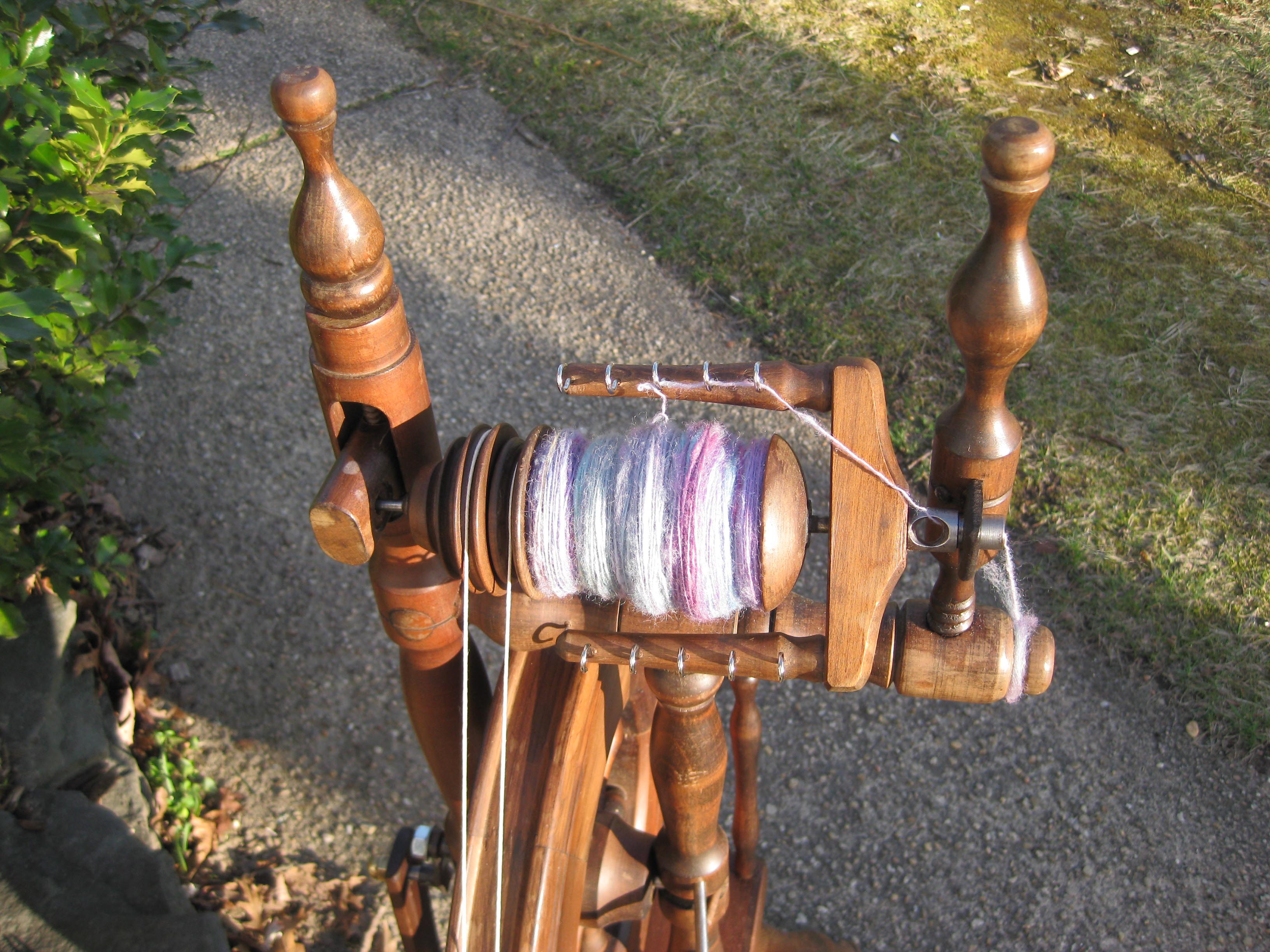
I have been spinning this:

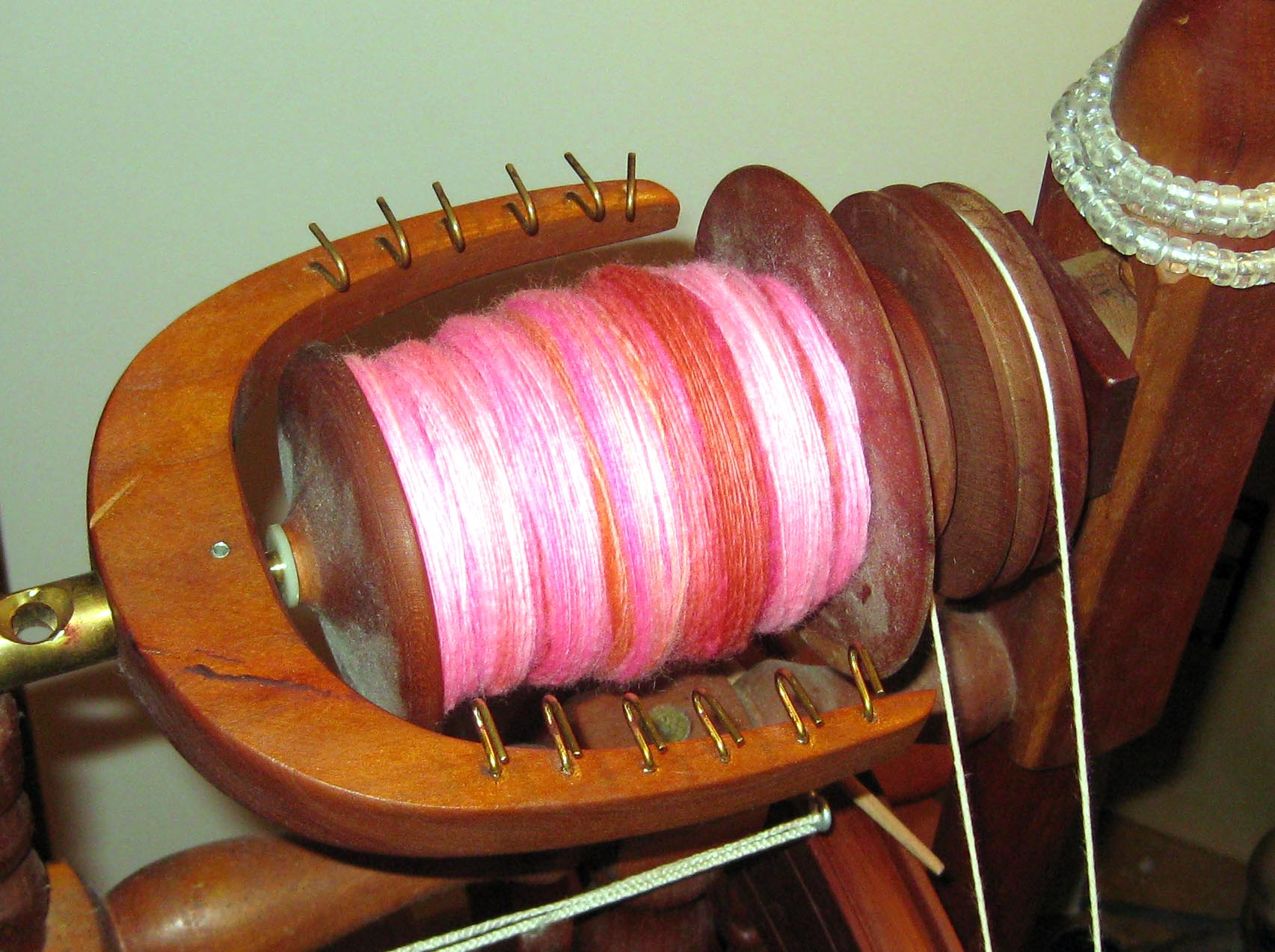
Into this:

This is cormo roving from Partridge Run Farm in Galway, New York. They had a nice outside booth at Maryland and I bought quite a bit of their roving.

As mentioned in the blog on the Maryland show, I had with me a string bag knitted from Rowan Cotton Rope in the Squash color. Amazing things when you start stuffing this bag — it just grows and grows and holds a tremendous amount of roving!

We’ll look at the Partridge Run rovings today.

This was described as their “Christmas colors,” but I still think it is spring-y:

This is more the autumn woods:

And this I absolutely love, it reminded me of irises:

This was the first time I spun with cormo, and I like it alot. I has a lot of bounce and is extremely soft. It is not quite as feathery as merino, which is okay as I’m not a huge merino fan. I like something a little “bite” to it, and the cormo seems to fill the bill.

Here, together, are the three colors I have not yet spun with:

All rovings on this page came from: 

Partridge Run Farm, 5390 Jockey St., Galway, NY 12074

Betsy Neal is sheperdess: betsyneal (at) yahoo.com, or call 518-882-5004


Maryland Fiber Feeding Frenzy

May 5, 2010

Typically, the first Saturday in May is spent at the New Jersey State History Fair, presenting the handspinning demonstration. However, New Jersey’s finances are in such disarray they had to cut back on things like their own history. So, no funding, no fair.

However, this meant we suddenly had the day free to plan something else. Since we had never managed to have the day off to visit the Maryland Sheep and Wool Festival, this seemed the obvious solution.

 I spent a few days trolling the Internet, looking for blogs and other informational sources to find out what other people’s experiences were and planned accordingly. For better or for worse, here are my thoughts on the whole experience for those who may follow.

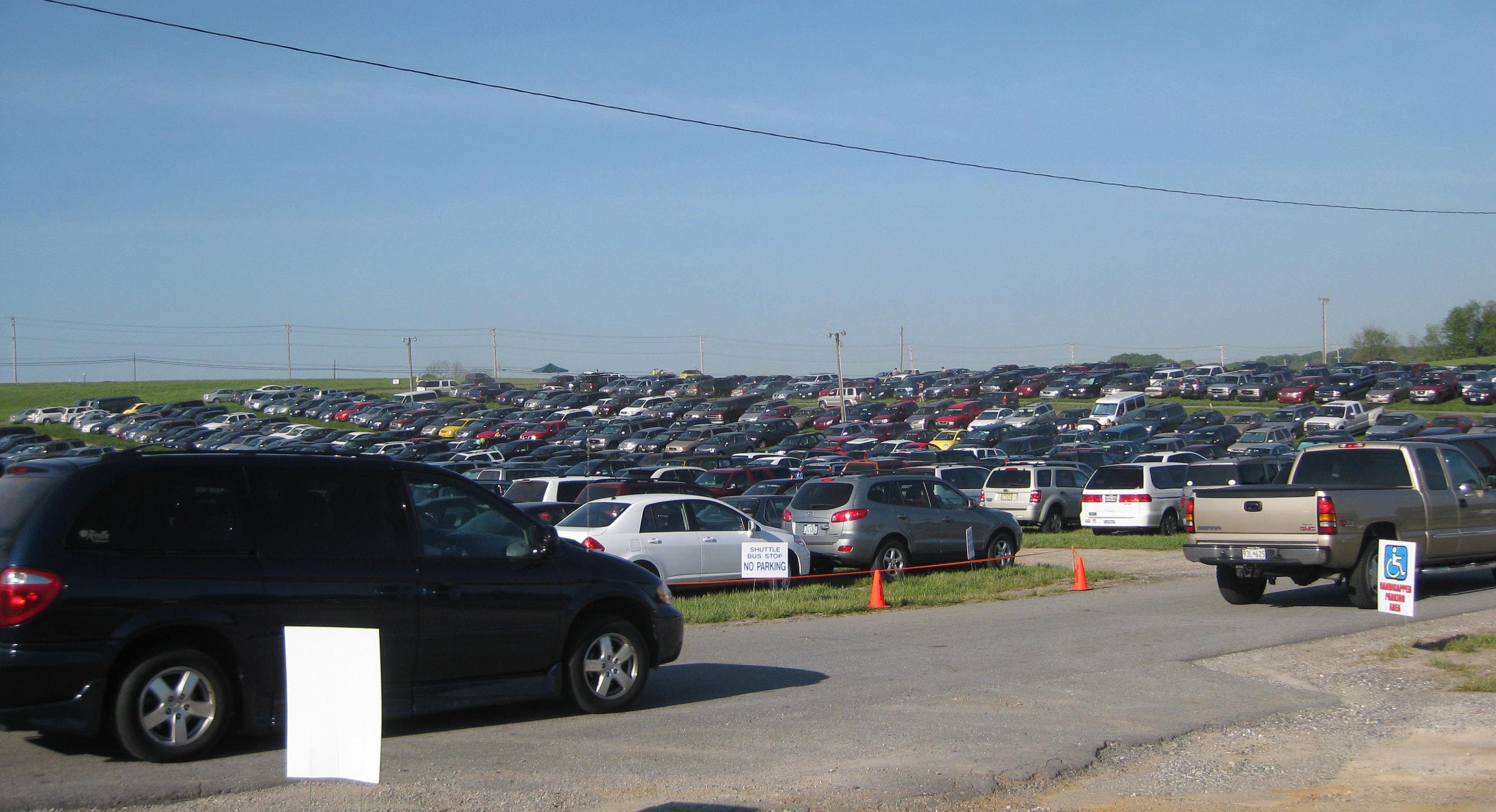
 1.)   Get there early, preferably before 8:45 AM. This was advised by one past participant and proved to be excellent advice. Not only will you get a parking spot closer to the show gates, you will not sit out on the highway in a line of cars for an hour or more, like some friends I was meeting up with.

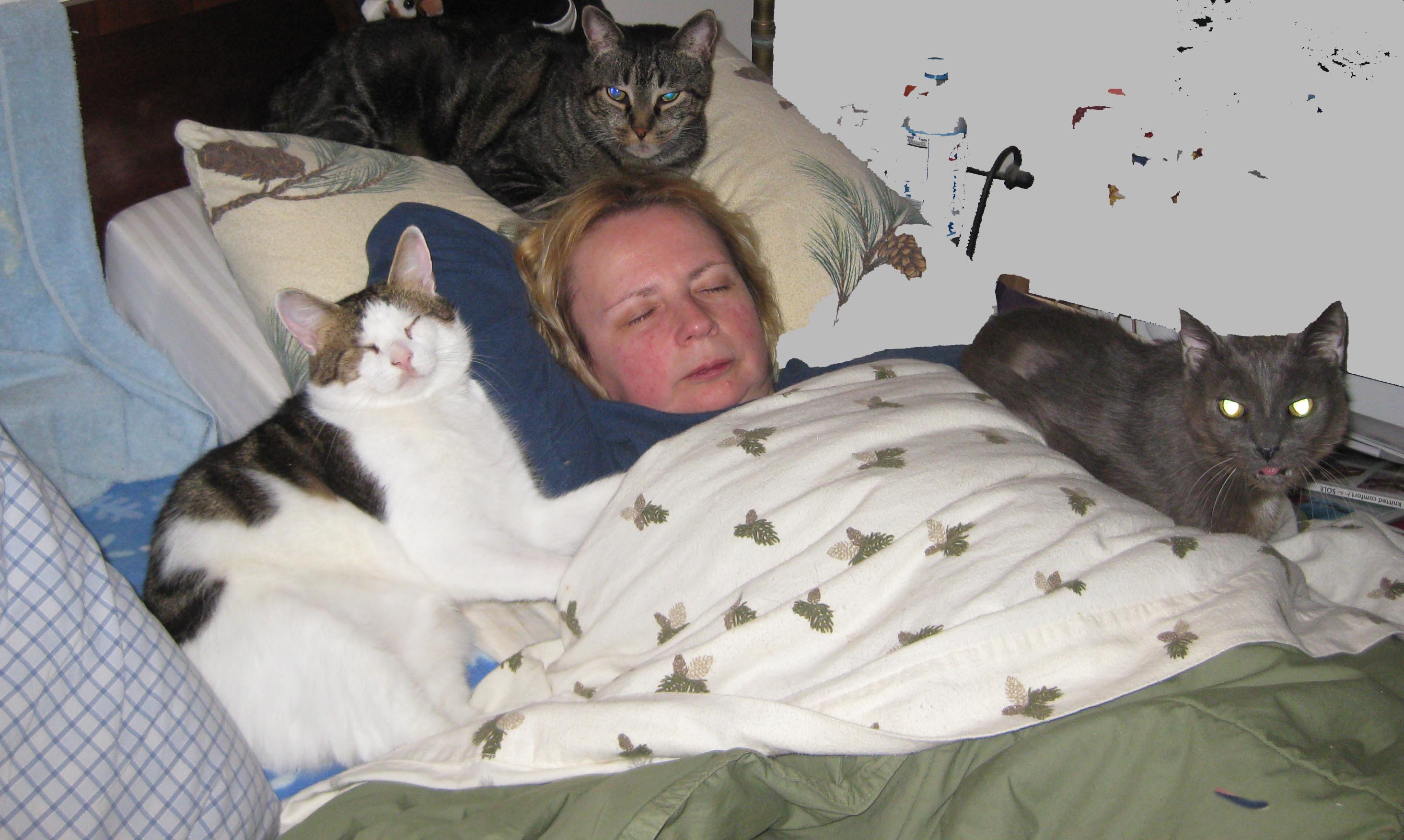
Of course, this means getting up early. Like 4:00 AM. The boys were mightly disturbed:
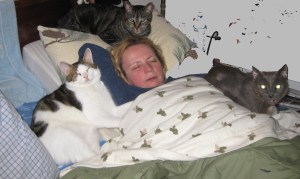
From left to right, that would be Emlyn, Lemur (on my head), and Grey Cat.

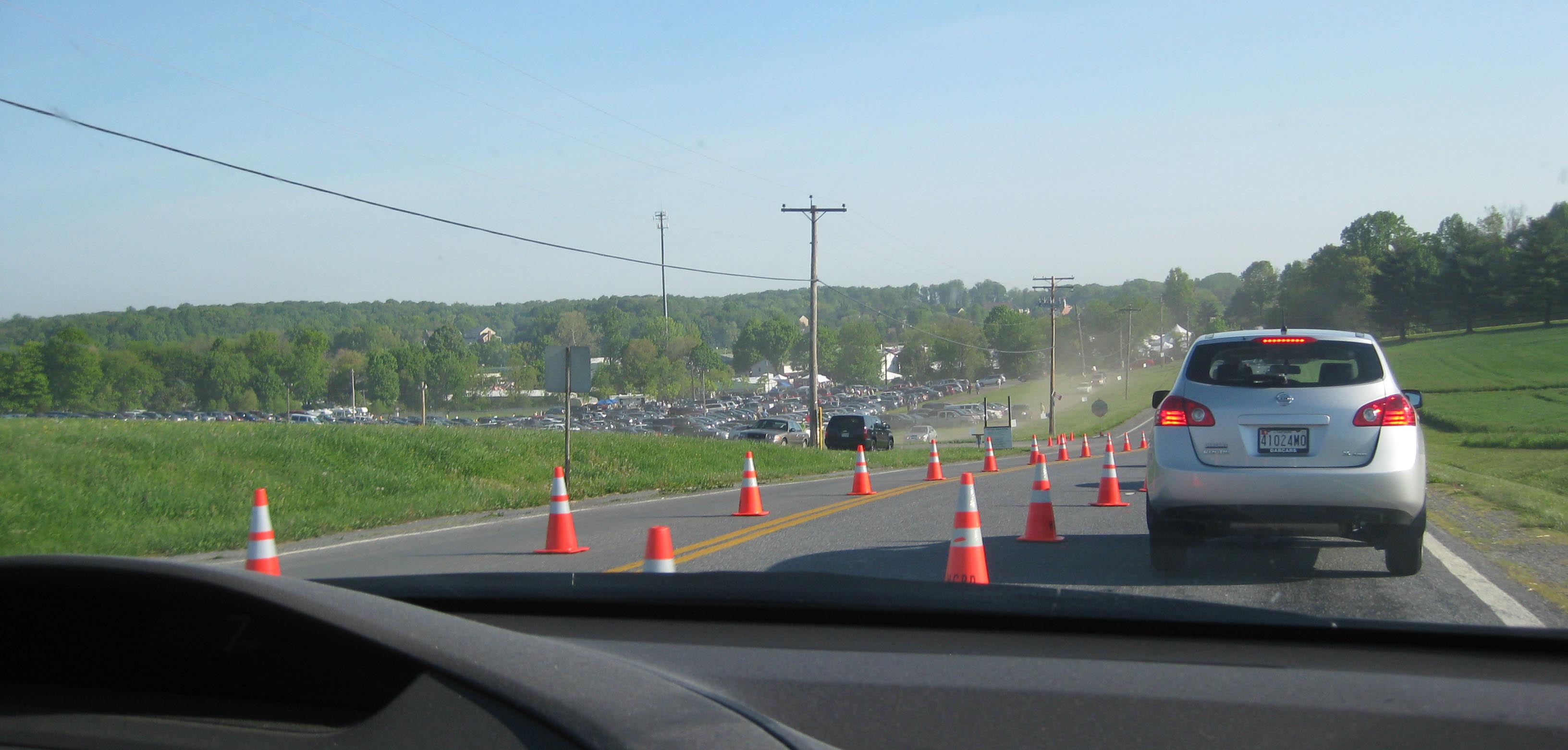
We left central New Jersey at about 5:15 AM and arrived out on Route 32 around 8:30.
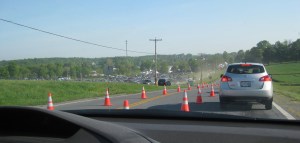
It took about 15 minutes to go the last half-mile to the parking lot, but at least the car was within walking distance of the gate. This is a good thing if you plan to make multiple purchases that need to be walked back to the car. If you arrive later than 9:15, you will park “up the hill.”
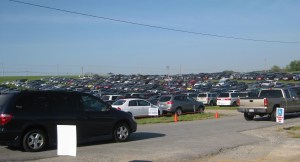
This is still within sight of the main gate, but can be a haul if you expect to walk back to your car with purchases.

2.)   Sun screen is a must!  And a hat with big brim. You will cook out in the open areas if it is a nice day. We also brought extra shoes and socks in case it was wet underfoot, but this was not necessary. We did hear stories about previous years when it was rainy, so plan accordingly.

3.)   Bring a small cooler with some sort of food and drinks, “just in case.” The food areas are mobbed from around 10:00 AM onward. We took yogurt, protein drinks, and fruit, along with a gaggle of water bottles and Gatorade. A tip: the night before, open the water bottles and pour out a small portion. Close the bottle and put it in the freezer. In the morning, put the frozen bottles in a bag with whatever other drinks you are bringing. The frozen bottles will thaw, you will bottles of icy cold water, and they will keep the Gatorade or whatever else you brought cold. Nothing beats a drink of ice cold water after hiking around the dusty show field all day!

4.)   From the food vendors, get the roasted pit lamb and lemonade from the vendor right by the sheep show barn. Hmmm – pit lamb for breakfast! By 9:00 AM, we had already been up and on the road since 5:00, it seemed like the middle of the day. There was absolutely no line at the pit lamb smoker, we saw our opportunity, and we took it. Just past this set-up is a little screen gazebo near a footbridge, so we had a lovely feast in the gazebo. Much refreshed, we were ready to descend on the fiber vendors.

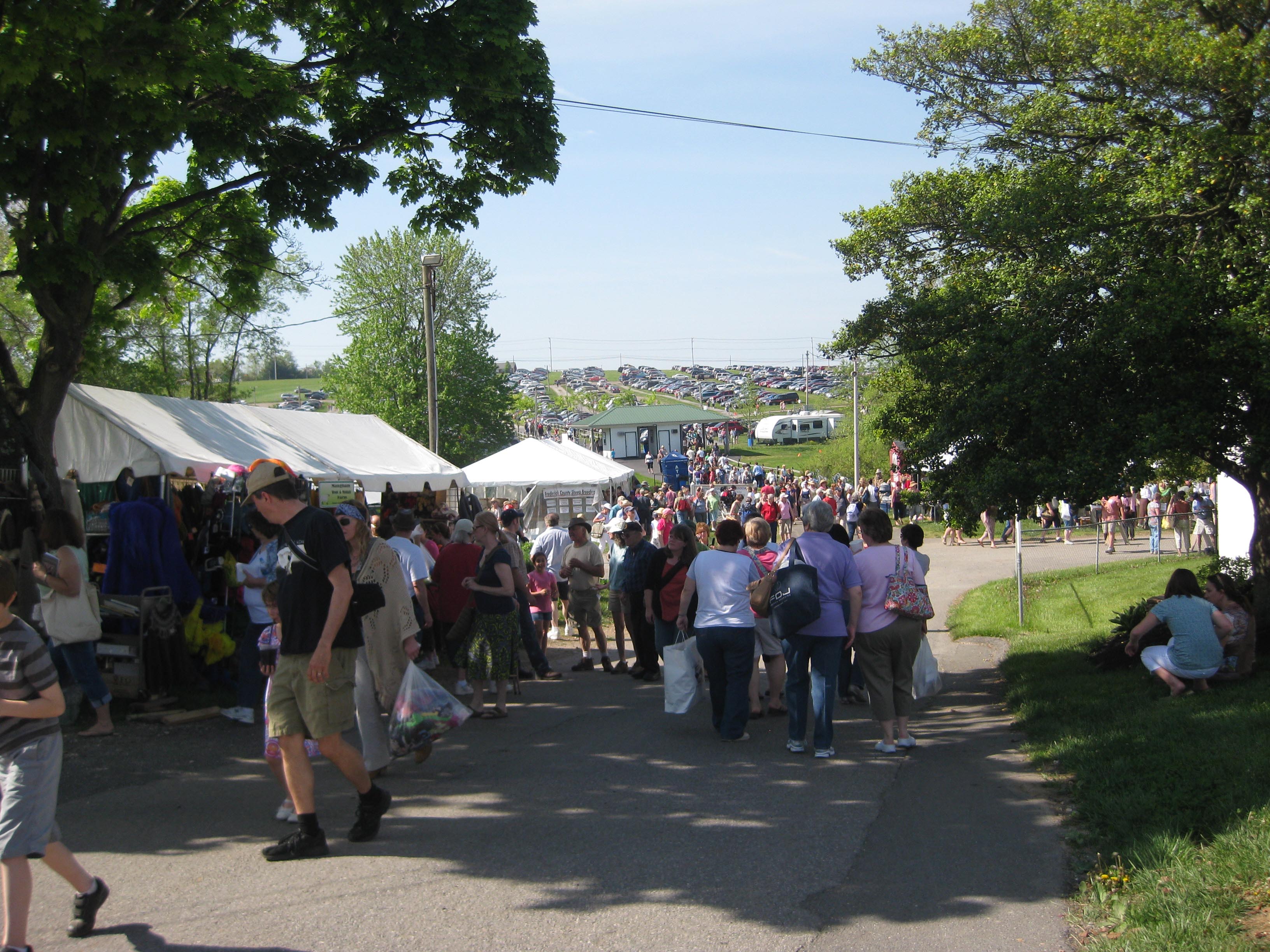
5.)   Be prepared to be overwhelmed. I can’t tell you how many times I read this in other people’s reactions. If you are prepared to be overwhelmed, chances are that you will be able to handle the enormity of the crowds.
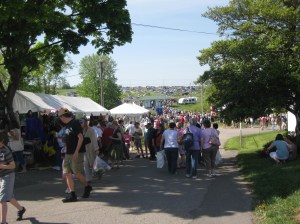
 

6.)   It is virtually impossible to navigate the vendors in the exhibition barns. We did much better with the outside tents, the majority of which are straight up to the right as you come in the main gate. Even though we were on-site early, the exhibition barns fill up quickly and don’t have a lot of space to begin with. It would have been nice to look at some of the books and patterns, but stopping to look at anything was a luxury. Be prepared for the numpties who stand in the middle of the exhibition barns. They will either be on the cell phone, or clustered in a group with friends they have just run into, saying things like, “…and then I heard she was going down to Virginia next week.”  Don’t stand around in the middle of the aisles, people. There are people who want to spend money who can’t get around you.

7.)    Don’t spend a lot of time looking at things you can buy in a local yarn store or online. Focus on what you can’t find anywhere else. This will reduce the number of booths you need to navigate.

8.)   If you plan to buy a raw fleece, visit the sale early before it is crowded with people. Tip: the area will be crowded with about, oh, 5 people in it. The fleece show and sale is allotted a tiny corner of space and was absolutely jammed with bags. Bags with blue tags are show fleeces; bags with yellow tags are for sale only. Trouble is, there are yellow-tagged bags piled high on tables, and shoved in heaps under the tables. There is no leisurely poking through bags here. I was fortunate enough to find a very nice black Finn fleece and a lovely Lincoln/Merino cross that happened to be right out on top, calling to me. Getting them to the register was an adventure; John swears several fleeces reached out from under the table and tried to pull him down. The volunteers at the fleece sale are absolutely the best, the nicest, the calmest people who kept smiling throughout. They are extremely organized and really have their act together. The show organizers really need to give them more space.

9.)   Bring some sort of bag that expands to hold your purchases. I have a cotton mesh string bag I knitted that is really just zillions of yarn-overs on a circular needle. It doesn’t weigh anything and expands like crazy. Filled, it provided protection for my back when getting jostled in the crowds.

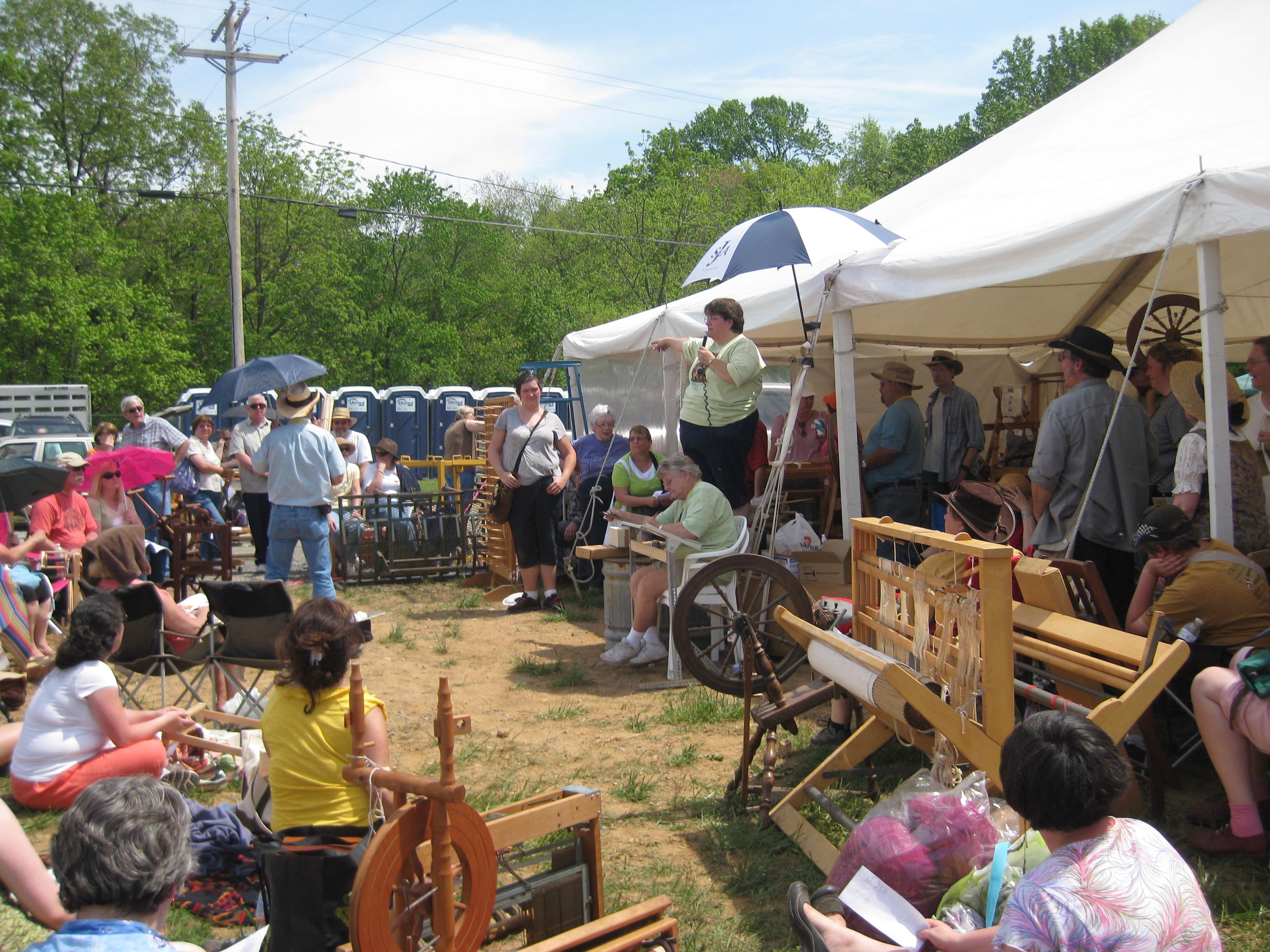
10.)                       If you buy something large, either from a vendor or at the equipment auction, tell the cop in the parking lot and they will let you bring your car up closer to the show grounds. I scored a jumbo Strauch ball winder and a Schacht rigid heddle loom on a trestle in the used fiber equipment auction.
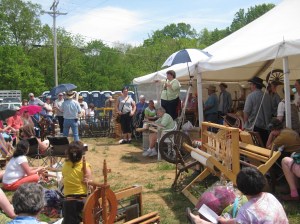
If you need a loom, this is the place to look. Big ones, and going for cheap. Just make sure you have a way to get it home!

John dutifully went off to figure out how we would get my purchases to the car and came back smirking. He had been able the move the car to within 50 feet of the auction tent. Clearly, the cops understand that a loom is not something to be trifled with when carrying it.

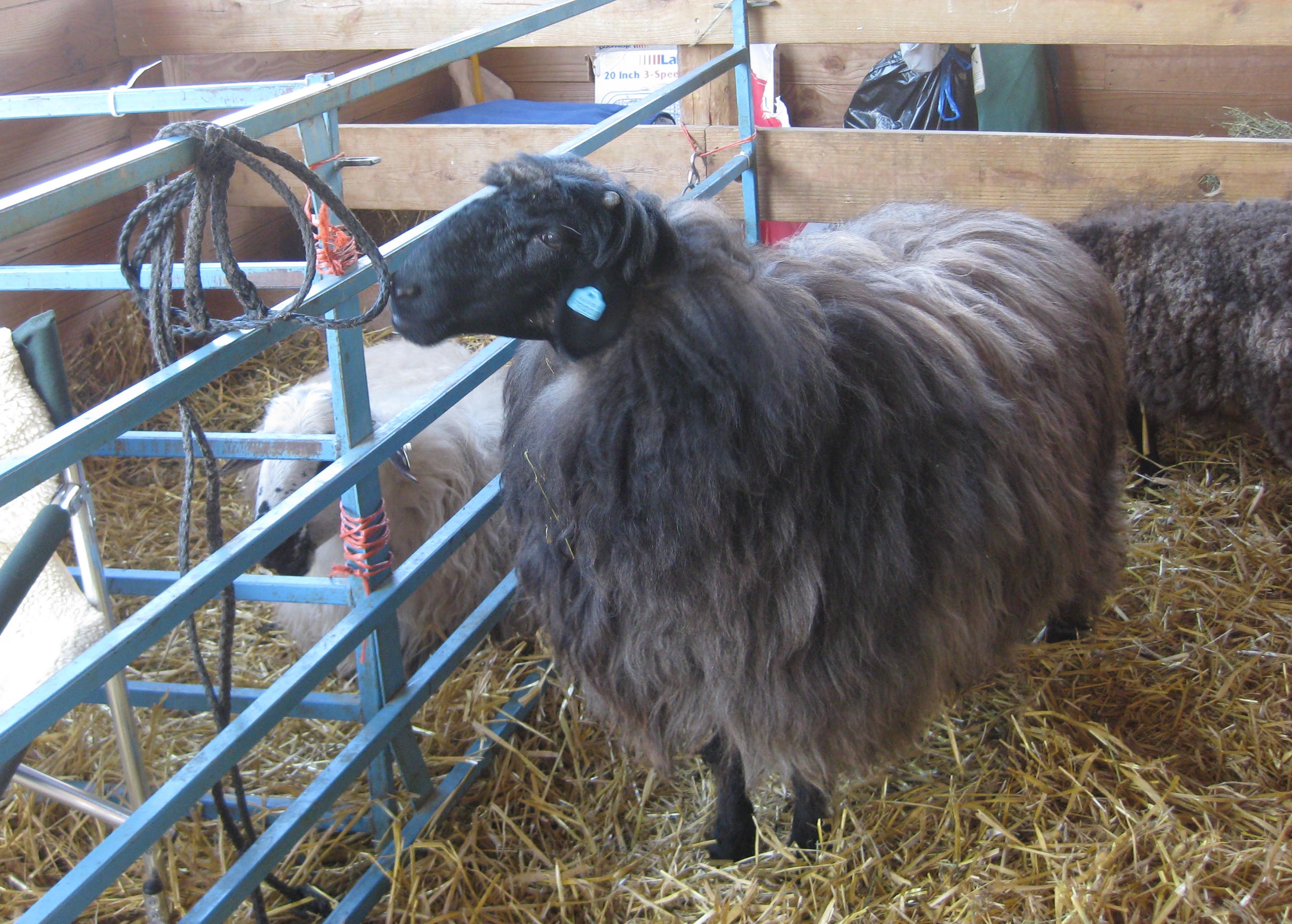
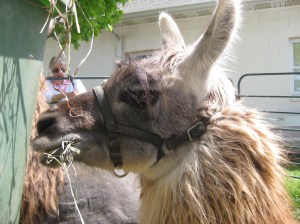
My worst impressions of the day?  It is too bad that the sheep show seems incidental to the fiber feeding frenzy. It is pretty apparent that people are there to spend money on yarn. The sheep show was going on in the barns like it was in another world. I saw very few shoppers stop off to see any of the judging or walk through the breed barns. This is a terrible shame, because if you are going to work with wool, you really should see it on the hoof.
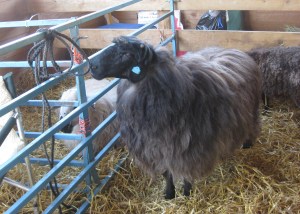
Not all wool is created equal, nor does it work up the same.
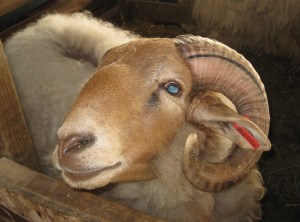
It really helps to learn the different types of wool that exist as this could influence your choice of material for a project.
 

The other negative was that, while I was looking to buy roving, there was this almost insidious feeling that roving buyers were automatically felters. At about the third vendor I bought roving from, she look a bit furtively and asked, “Are YOU a handspinner?” She seemed relieved when I admitted I was, as if it restored her faith that there were actually a few of us out there.

The positives were that it was a beautiful day, we met up with some fiber friends that we don’t get to see nearly often enough, I did buy some beautiful roving that I did not have to muck up my kitchen by dyeing, I got two very nice fleeces, and one of the fiber friends who lived close by invited everyone afterwards to a home-cooked meal, so a good time was had by all. We arrived home around 9:30 PM, just in time to shower, fall into bed, and get ready for a spinning demonstration on Sunday!

 I will do a separate post on the rovings and fleeces secured at MSWF!


Cats and Socks

April 27, 2010

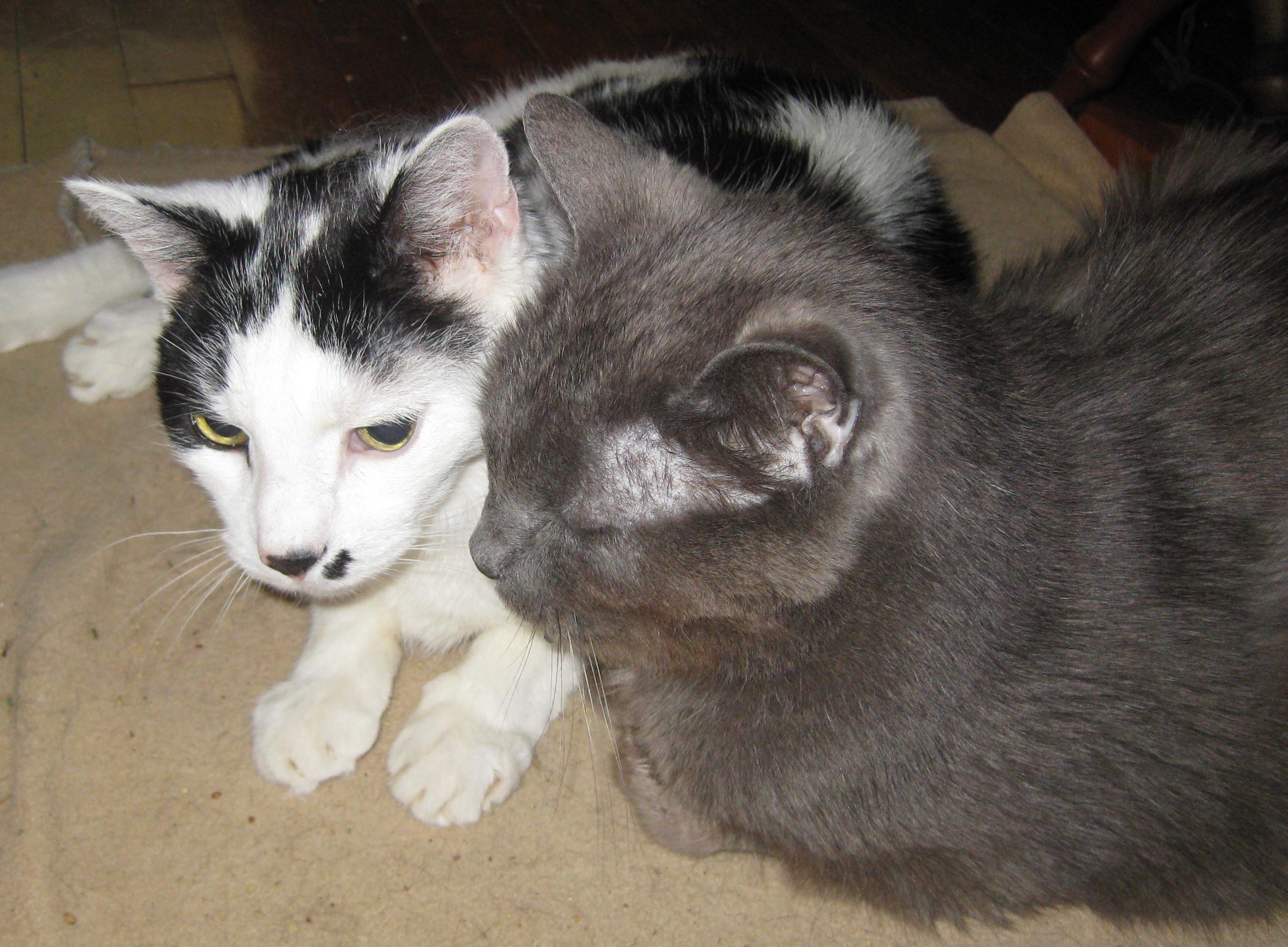
Grey Cat went for bloodwork yesterday. His CBC is good, but his kidney values were still elevated so not sure if they can continue chemo. The tumor in his mouth does not seem to be getting any larger at the moment and he is able to eat okay. He has been very companionable to all, and is spending time today with Hal, his long-term little cow-colored buddy and the second oldest cat in the tribe:

You can see in the photo that Grey Cat’s cheek is a little brown; this is where he had the two radiation treatments. They are happy old boys right now, washing each others faces and enjoying the moment.

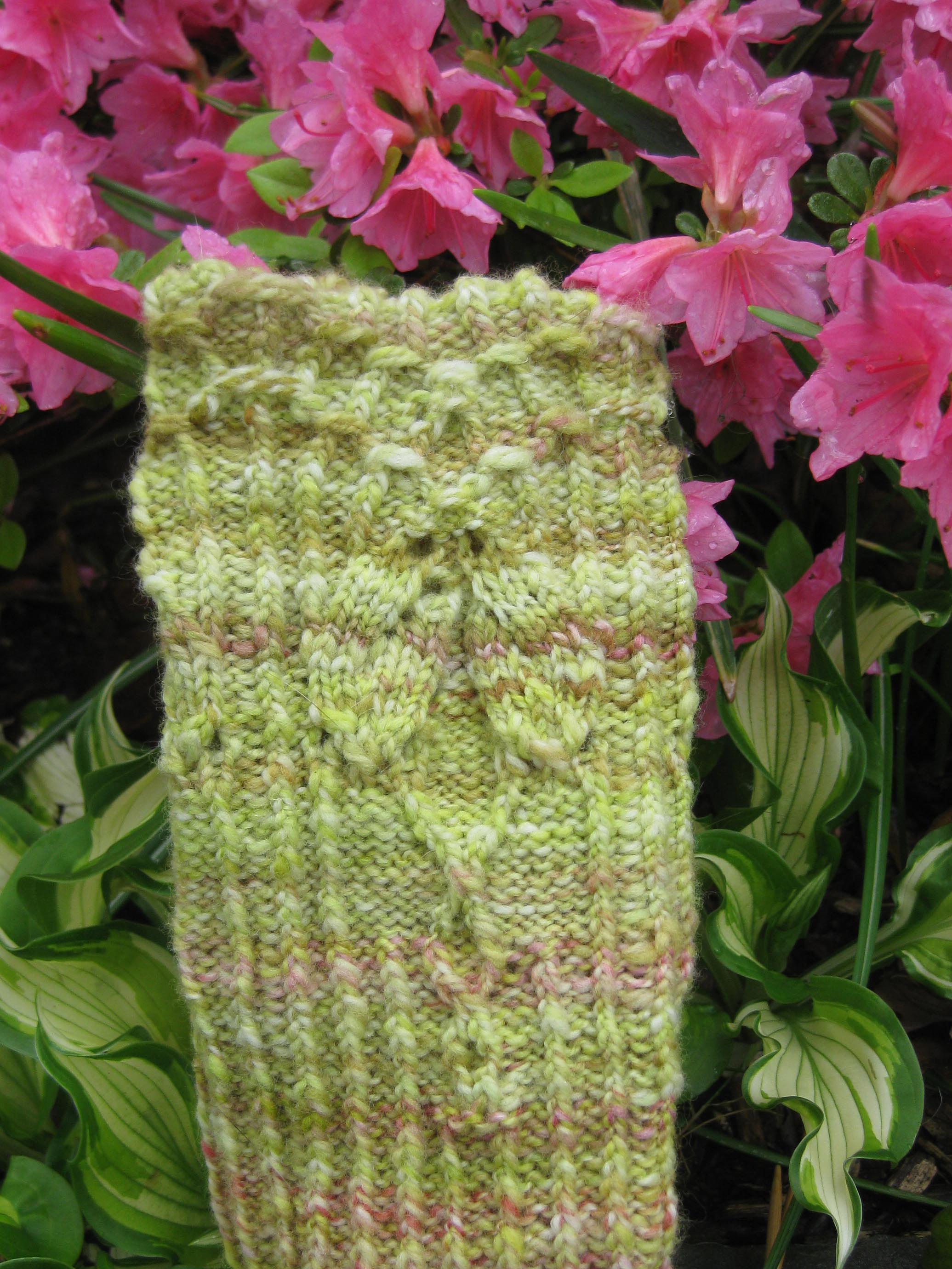
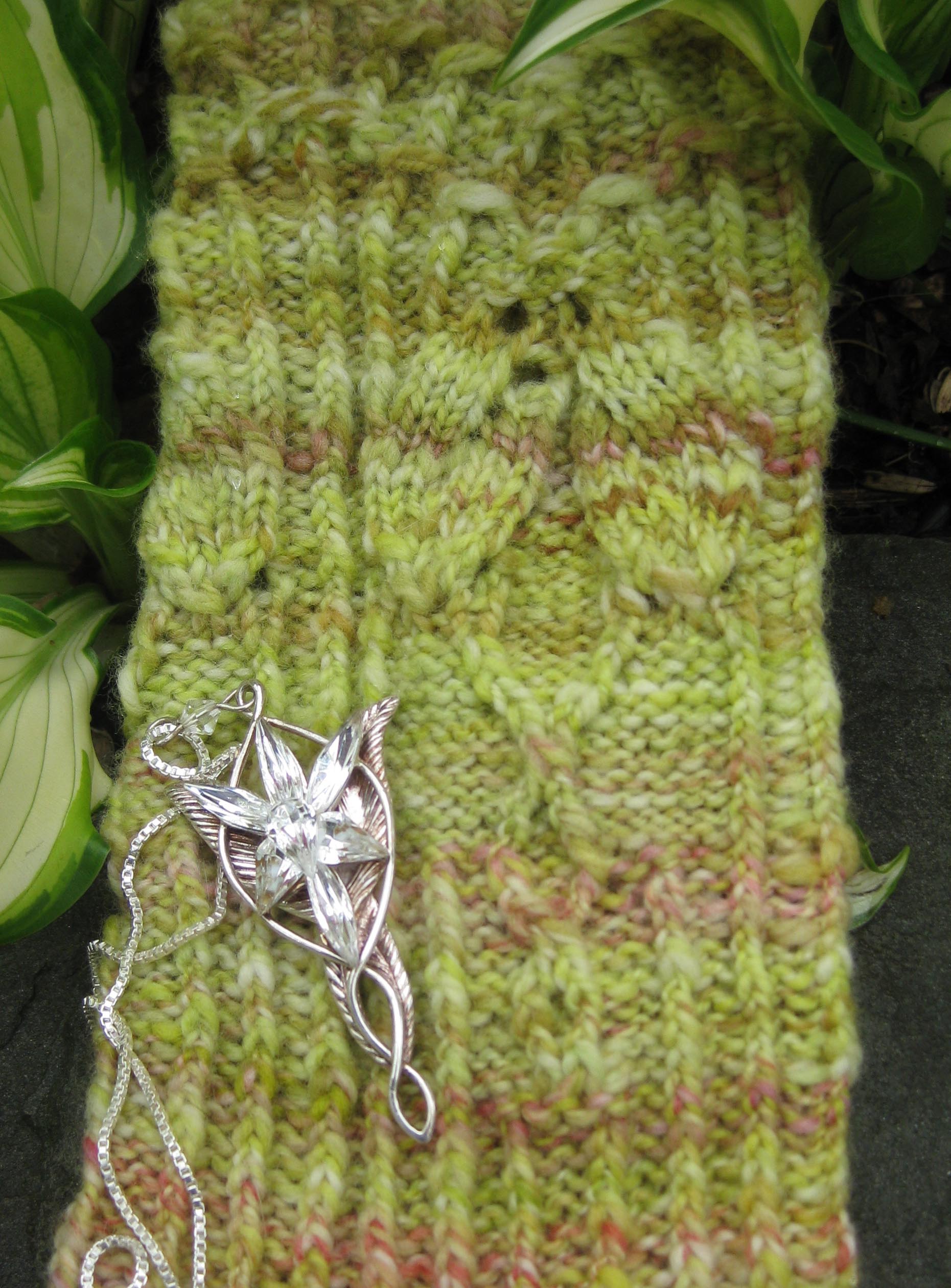
I have been able to get some knitting done at the vet’s office. Here is the progress on the Rivendell socks, designed by Janel Laidman and started in a previous post:

The color is coming out exactly as hoped. I deliberately started with the part that was all greens and light browns mixed, and aimed toward having the pinks begin lower down. In a woodland, you would have the greens and browns of the higher foliage with the pinks and red lower down in the understory growth.

Here is a closer shot of the design element:

If the design looks vaguely familiar, then you saw “Lord of the Rings.” The twist pattern mimics Arwen’s Evenstar pendant design:


Please stand by …

April 22, 2010

Sorry for no recentposts. My almost 20-year-old part Russian Blue cat has been getting ready to check out, and has needed almost constant care. He keeps bouncing back, so we have had him with us longer than anticipated.

Thi s cat had a vaccine-induced fibrosarcoma removed last August, and at that time, the vets did not think he would make it. He recovered wonderfully well, and made it through to February, when we found a lump in his jaw. We thought it was the fibrosarcoma returned, but it turned out to be an oral squamous cell carcinoma.

He was not a candidate for surgery, but they did remove several bad teeth and he had his first radiation treatment. He weathered this well, as he did the second radiation, but then had a reaction to the anesthesia and crashed. He required hand-feeding about every 3 to 4 hours for a week and a half before he came around and looked like he was going to make it.

Because they could no longer do anesthesia, they could not finish the course of radiation. He started chemo a week ago, responded well, and then last Saturday morning at 4:30 AM, we wound up in Red Bank Veterinary Hospital with our Grey boy almost in renal failure. After 3 days on IVs to flush his system, he has bounced back again and is home, eating, and getting various meds and herbal treatments (milk thistle for his liver, another tincture for kidneys).

All this, and trying to get to work every day and some other boring professional things. I picked up knitting needles one day and said, “what are these wonderous items?”

Poor Grey Cat. He is, at the moment, doing well, eating, marching around like he owns the place, and being the same old Grey Cat I have known for 17 years. I will try to post over the weekend, but this is where I have been the past couple of weeks.


Windswept Shetlands

April 11, 2010

We recently went through a veterinary emergency which threatened to remove Grey Cat, my senior statesman for the resident cat tribe, from us. Fortunately, he has pulled through for the moment although we know he is on borrowed time. We are just enjoying each day we have with him.

Prior to knowing I was about to spend an inordinate amount of money on veterinary bills, I bought the Little Peggy wheel blogged in an earlier entry along with the Coopworth fleeces below and an assortment of shetlands from  Windswept Farms in  Michigan.

Of the half-dozen Shetlands, all were nice but this is the one I started working with first:

This is a lovely musket color fleece, soft and clean, with very even color variations.

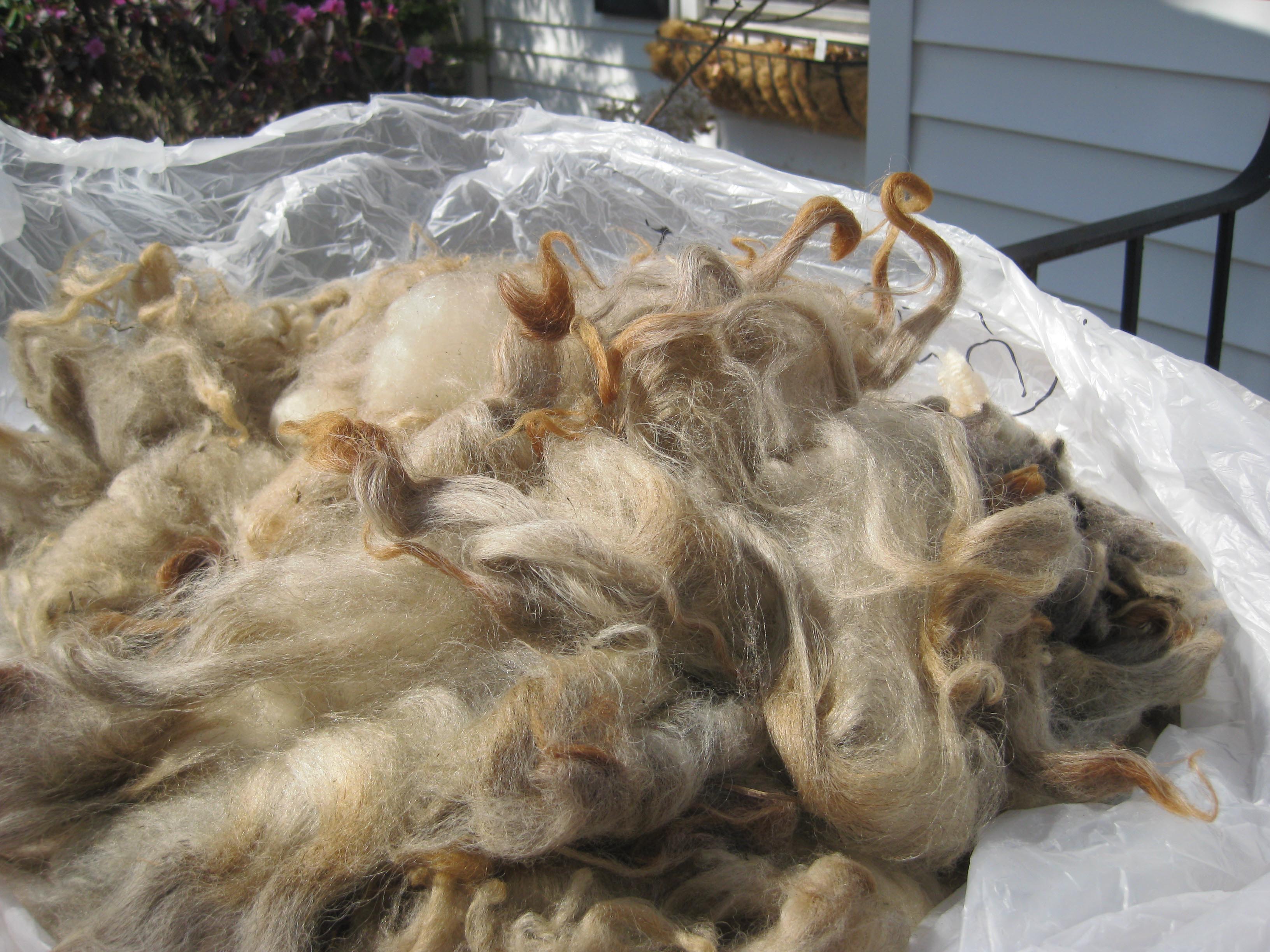
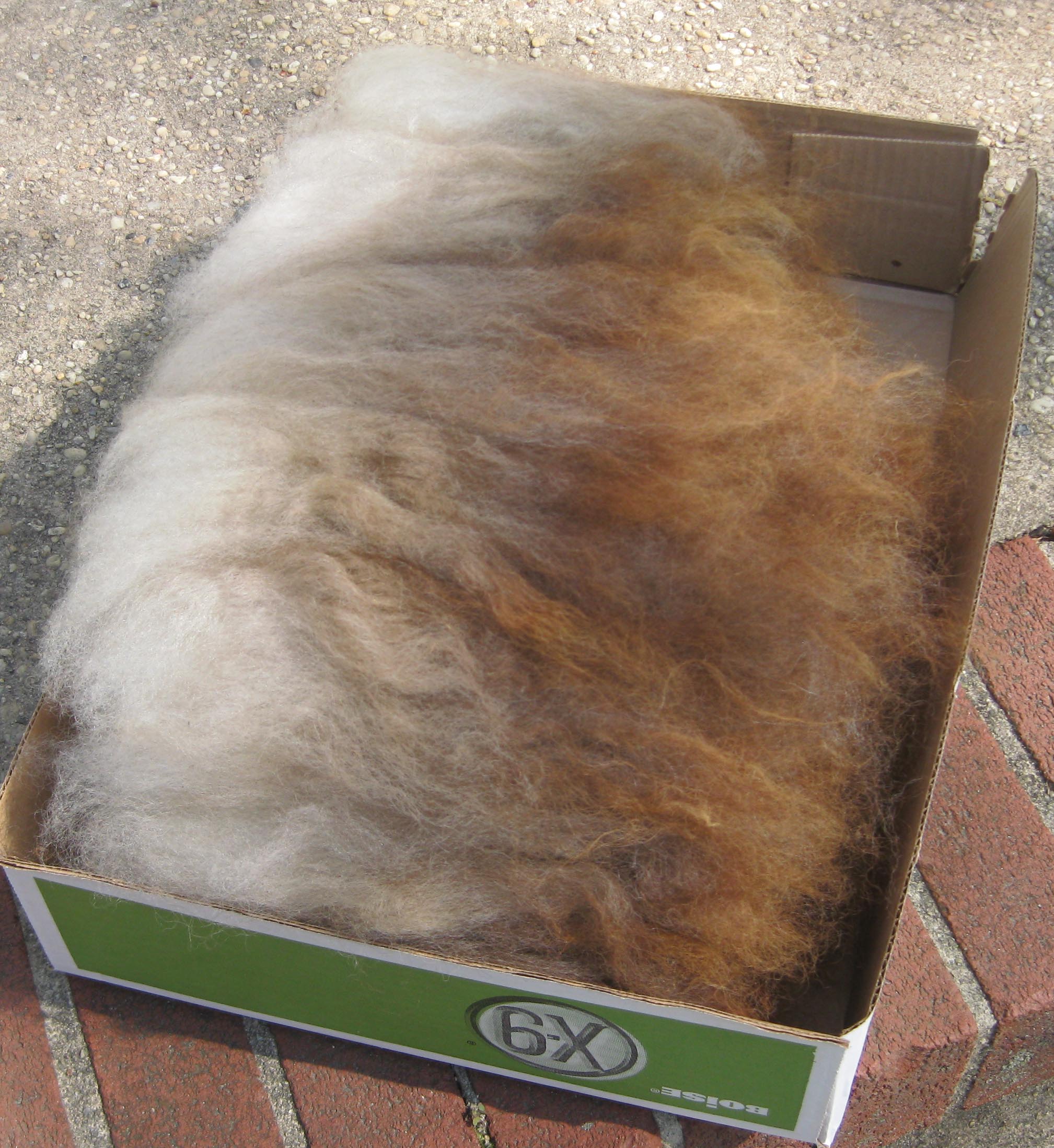
I had just read an article on spinning lace weight yarn with Shetland wool, so this was an opportunity to try out the process. The fleece is worked with in the grease. I bought a metal dog comb to comb out each lock, opening the tips and fanning out the cut ends of each. This is an extremely clean fleece and easy to work with in this fashion. Here is what the combed locks look like:

Notice that this box top is from a carton of printer paper, so it is eleven and one-half inches across — the flicked-open locks are almost that long!

What I had been reading said that spinning in the grease allows for a thinner strand — the grease holds things together. The idea is to try to spin down to a strand that is about 5 hairs thickness. So far, so good — it is holding together well and is pretty thin!

That is Emlyn, the blind cat, in the upper left, just below the flyer! He happened to be passing by as I took the shot.

The only problem is that I’m sure I started out spinning counterclockwise, but am now going clockwise so I may get a rude surprise when I skein off and find the first few yards going the other way!


Rivendell Socks

April 11, 2010

Sometime over the winter, an advertisement in one of the knitting magazines caught my eye. There were two of the prettiest socks I’d ever seen, both with a nature aspect to them. I immediately looked up the Web address given and found the site for knit designer Janel Laidman. Her two books, The Enchanted Sole and The Eclectic Sole, contain tons of fabulous socks inspired by nature, legends, fairy tales, and other colorful realms of idea. I ordered both.

The Eclectic Sole: Socks for Adventurous Knitters contains the pattern for the Rivendell Socks. Not only because I’m a big Lord of the Rings fan, but also because this is a very elegant looking design, I immediately had a similar reaction as I did with the Russula Cap. I had to have a pair.

Shortly after receiving the books, I began spinning up some green hand-painted merino roving I’d bought at the Woolbearers booth at the Garden State Sheep Show in October. It has varying shades of green, yellows, pinks, and light brown in it. It reminded me of the dappled sunlight filtering through new pale green spring leaves in the woods. Definitely material for the Rivendall Socks!

This was a big step for me, as I had always managed to avoid knitting from charts up until now. Just couldn’t manage to figure them out. However, Laidman’s charts are large (good for people with less-than-great eyesight) and clearly explained. I just wish the legend of which stitch is which was on the chart page so I didn’t have to keep looking to the back of the book. However, this is a small inconvenience to trade for such lovely patterns:

This is at the end of the first chart and has progressed a bit further in the past week. I will post another photo when I get to the end of the second chart.


Coopworth

April 10, 2010

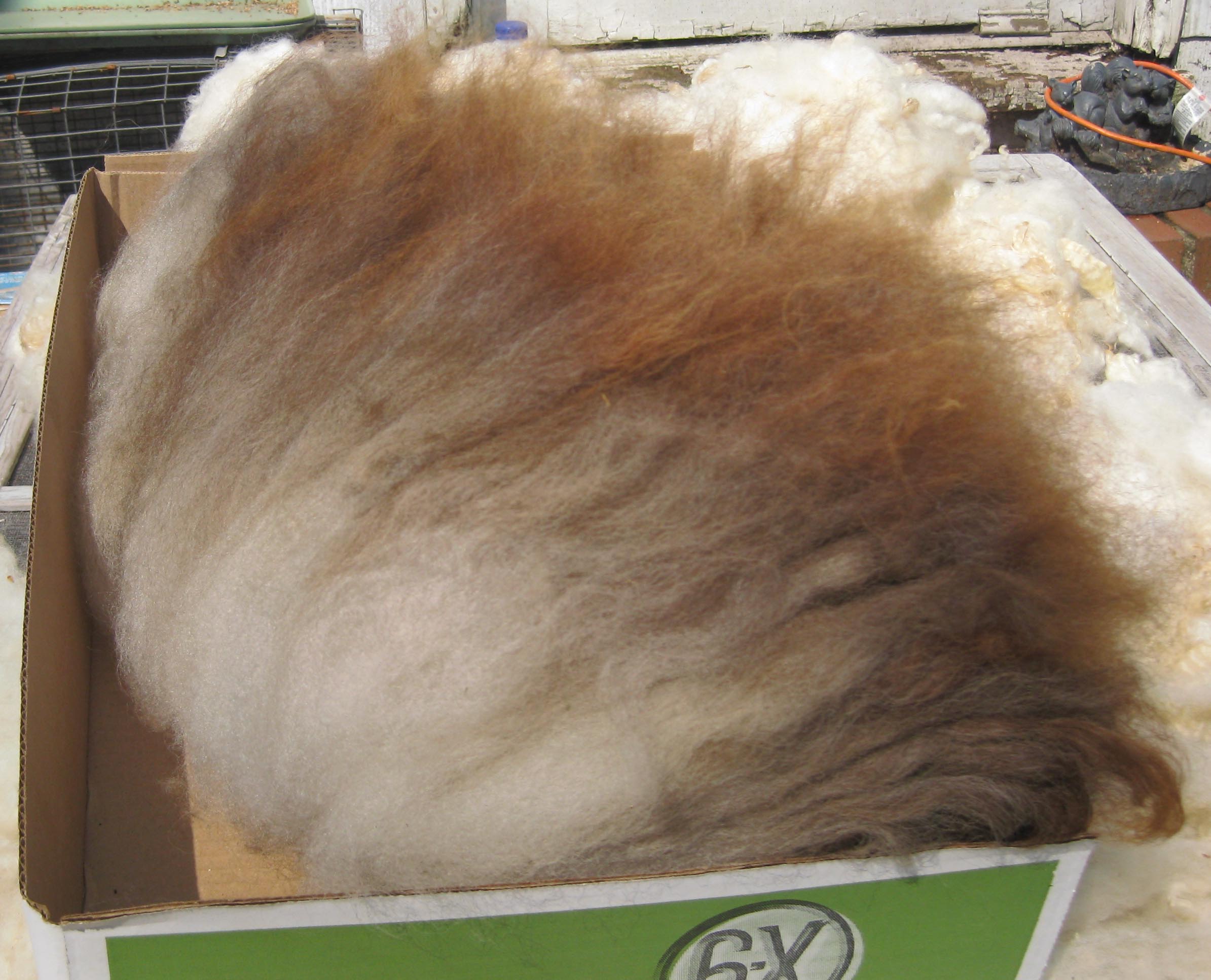
I’ve been spinning for over 10 years now, but somehow managed to skip over spinning with Coopworth wool. Recently, I was pleased to be able to latch onto a couple of fleeces from Jim and Martha McGrath at Deer Run Sheep Farm in West Virginia.  Wow, was I happy with what popped up out of the box:

This is Sid the ram’s fleece:

And this is Agate’s wavy fleece:

The Coopworth is a relatively new breed, a cross of Romney and Border Leicester, both breeds I like to work with. I am very  much looking forward to spinning with these!


Spring 2010 Spin-Off

April 7, 2010

What fun!  I’m in the Spring 2010 issue of Spin-Off!

I entered a skein in their hand-dyed, hand-painted contest. Waited and waited to hear, then gave up and figured I was an also-ran. The new issue was posted online and I wanted to see who the winners were.

Downloaded the PDF of the article and flipped through it. Page one, nothing; page two, nada; page three, zip; page four — whoops! look at that!

Unfortunately, the photo was only of one strand and, of course, featured a lovely overspun spot. It did not give the slightest hint of the real color so, for all of you out there wondering, here is the full skein:

Slightly different than what made it into the magazine!

By the way, this was dyed using Wilton’s Icing Colors from the local A.C. Moore’s craft store.


Welcome, Little Peggy

March 27, 2010

I have been remiss in posting blog entries, due to an ongoing veterinary emergency. However, just before I knew there was an emergency, I bought a new wheel (I should say another wheel).

This is the Rappard “Little Peggy” wheel, all the way from New Zealand:

Here is the flyer, already in use you can see:

I always wanted one of these wheels, and I must say I am not disappointed!  The wheel is heavy and balanced nicely, it is easy to treadle, and spins like a demon. It is rapidly becoming a favorite wheel.


Linsey Woolsey

March 15, 2010

This is a bit of a departure from my usual spinning and knitting blogs. However, when you come down to it, this was really the whole reason I learned to spin to begin with!

Way back when, I was a theatre costumer. Then I was a living history reenactor and made historic clothing. Then I learned to weave. Somewhere along the line, I got the bright idea, “Wouldn’t it be cool to sew historic clothing with fabric I spun and wove myself?”

Cool, yes, but who knew the learning curve was so large?

It took some doing, but I finally reached the point where I was weaving cloth but then stopped to learn to knit and was completely sidetracked. However, one project I did finish was an-about-three-yard-long piece of linsey-woolsey.


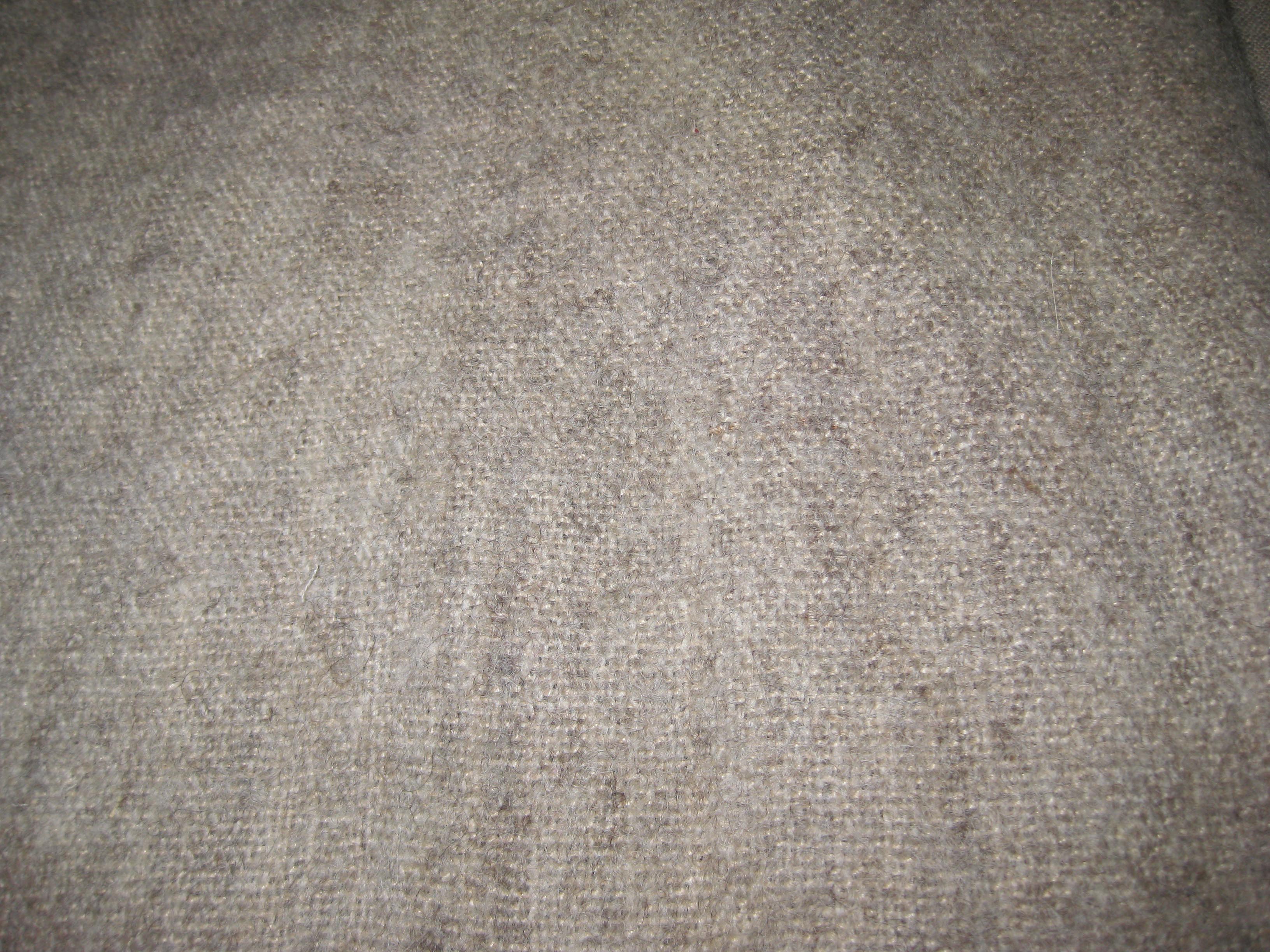
The yarn was spun from a Romney fleece from “Silver,” a ewe owned by Sandy Morris in Cold Water, Michigan. I warped my Schacht rigid heddle with a linen warp and used the Romney singles for the weft. I should have either spun the singles a tad thicker, or else used a 12-dent reed, but for a first try, it was pretty good. I fulled the piece by throwing it into the washer and monitoring it to the point just before it felted.

For several years, I carted around my length of linsey woolsey to all my reenactments and demonstrations. I don’t believe half the people who saw it remotely understood what it was all about. However, I did find one believer.

My friend Glen May is the education director for the Monmouth County Historical Society. For the past few years, John and I have been presenting our spinning demonstration at the MCHA’s Holmes-Hendrickson House site in Holmdel, New Jersey. We do the Wool Days in April (this year, April 24 and 25), along with isolated other appearances.

Glen coveted my handspun, handwoven linsey-woolsey. Slight of build, he kept holding up the 15-inch-wide width and saying it was perfect for a waistcoat. Finally, Glen scored a real double-header:  he got me to agree to make completely from scratch a pair of black wool Colonial stockings, to go along with his new linsey-woolsey waistcoat. How could I turn down that challenge?

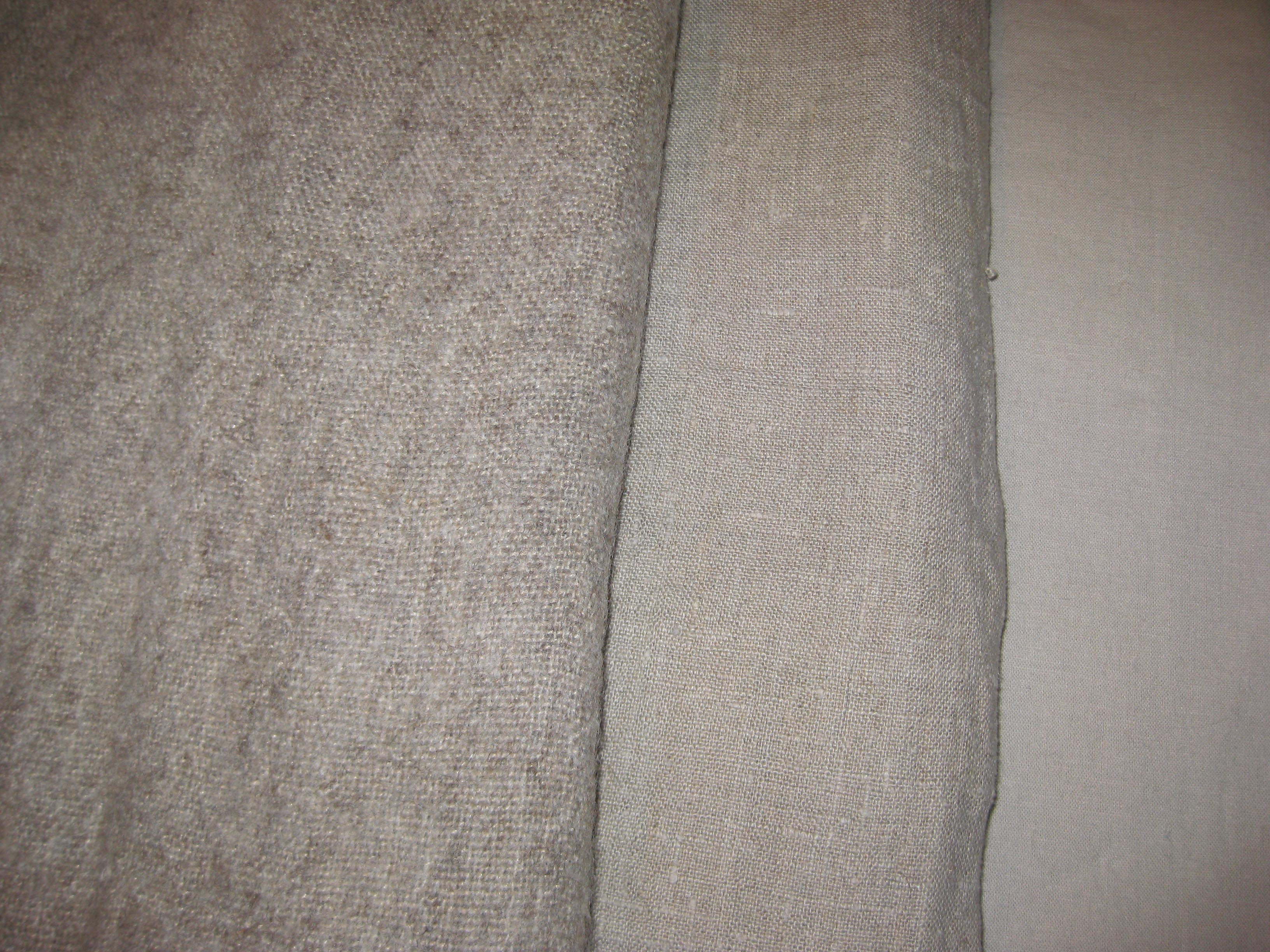
I will do another post about finding the perfect fleece for the stockings. The waistcoat was a bit easier, having already made the fabric. And, the joys of having a fully stocked sewing room on premises – here is the linsey woolsey to the left, a length of natural color heavy linen for the waistcoat back to the center, and a lighter lining weight linen on the right:


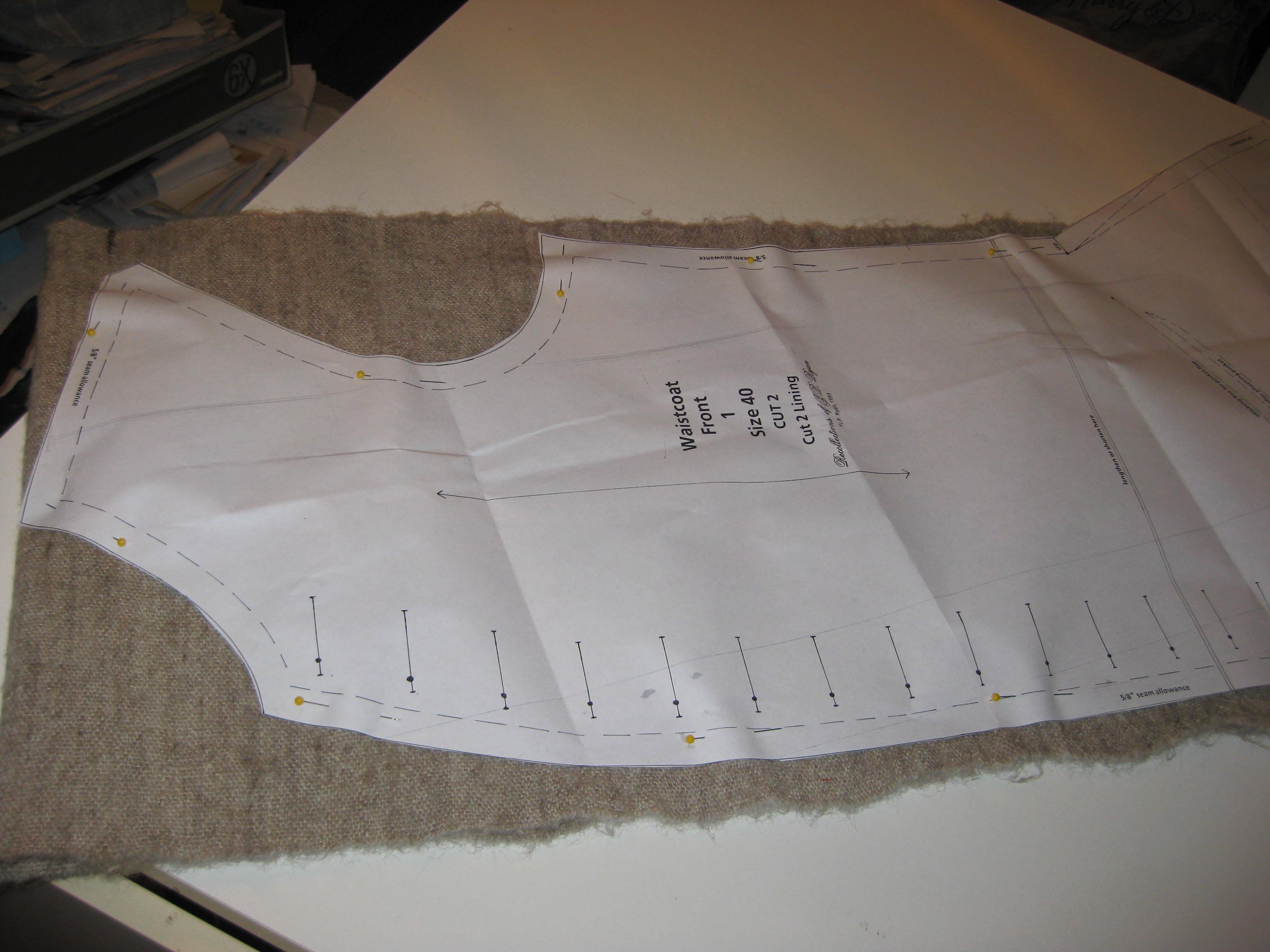
I am using the J.P. Ryan Men’s Waistcoat Pattern. I had to position this several times to make sure I had it right. No “do over’s” with handwoven.


The fabric width was just short of the pattern piece and will require piecing for the lower side flaps.


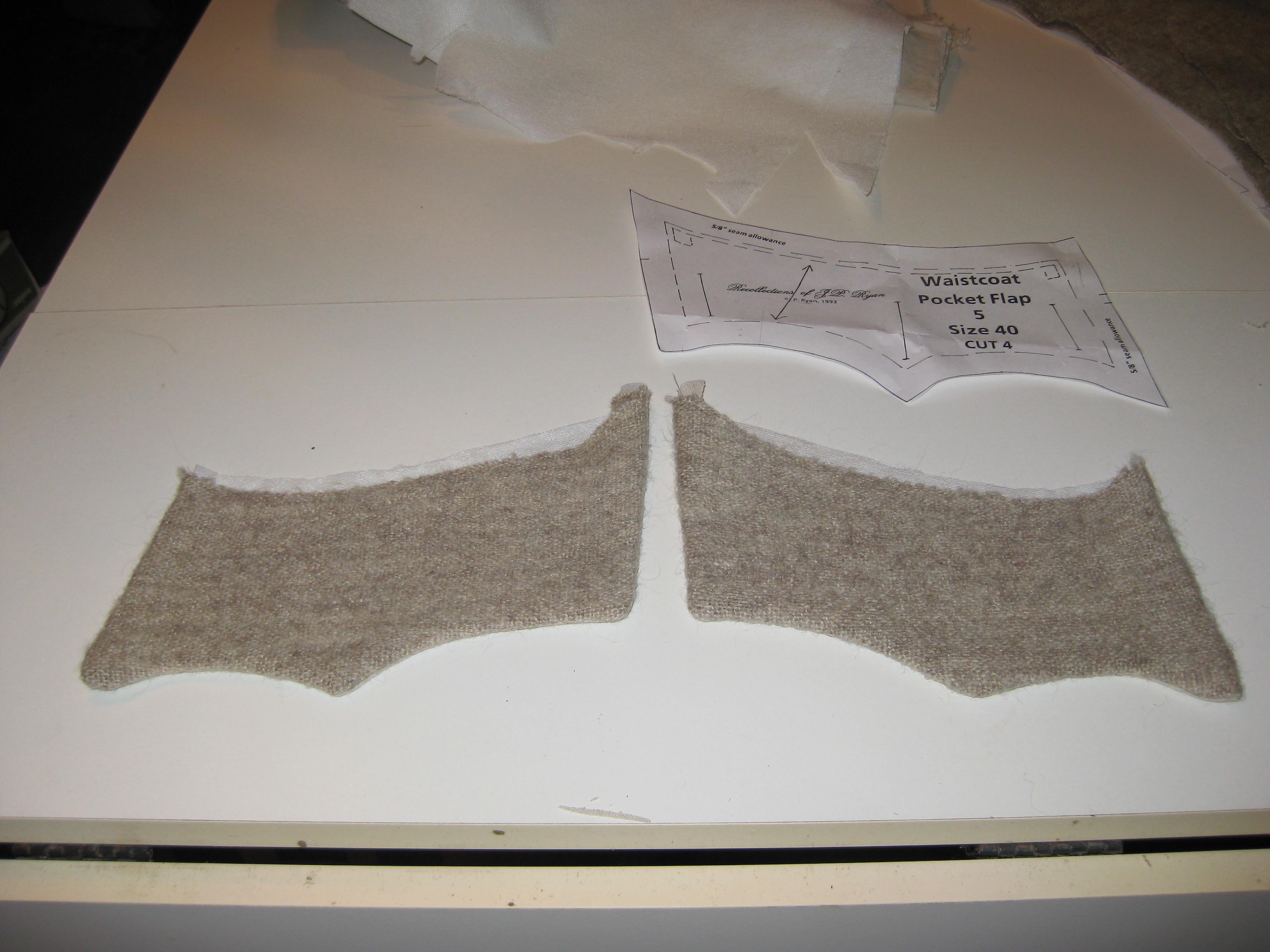
The pockets sewed up quickly:

My chiropractor has me on a knitting hiatus for a week or so, so expect more on the linsey-woolsey waistcoat!