Melon Patch

August 9, 2010

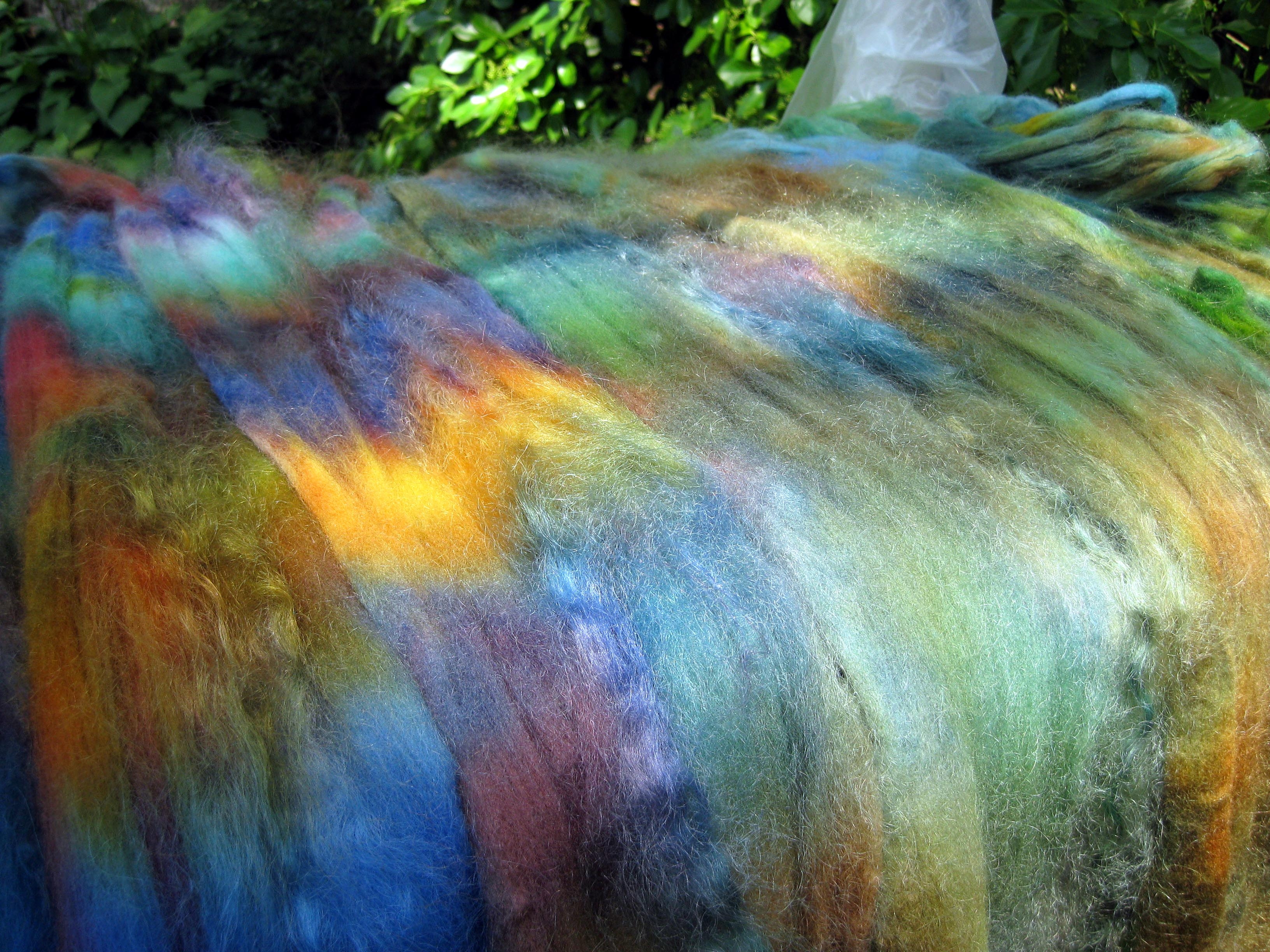
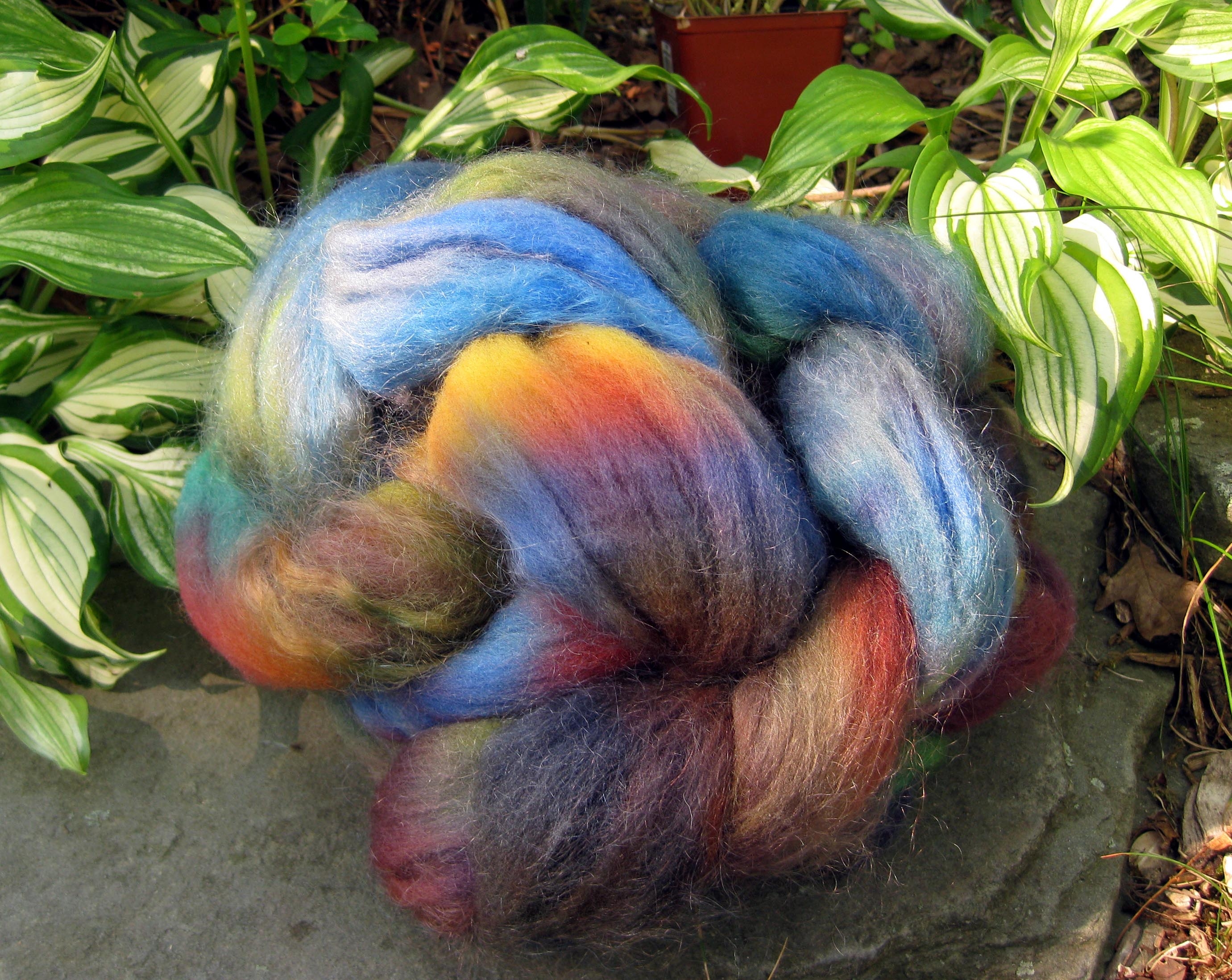
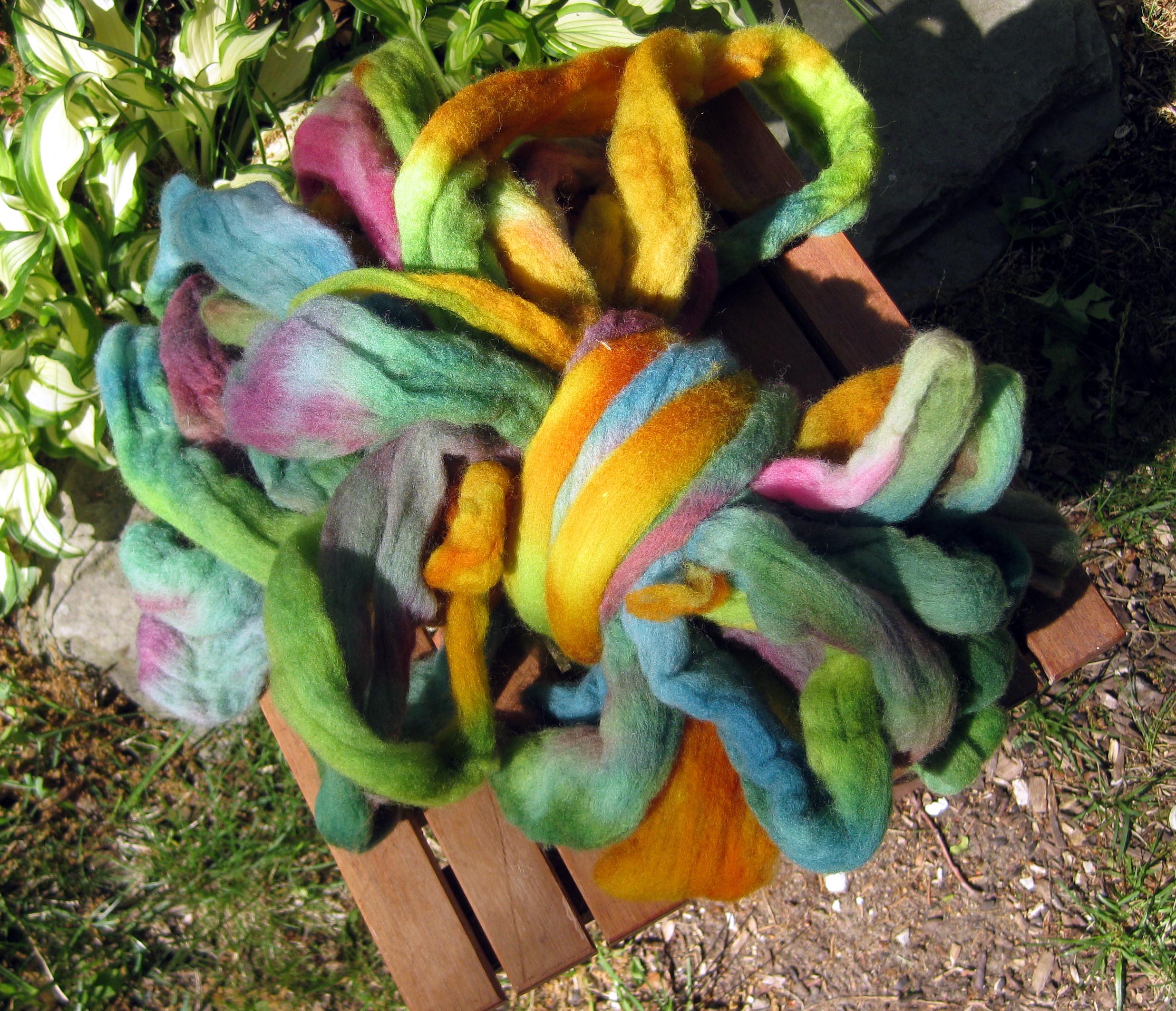
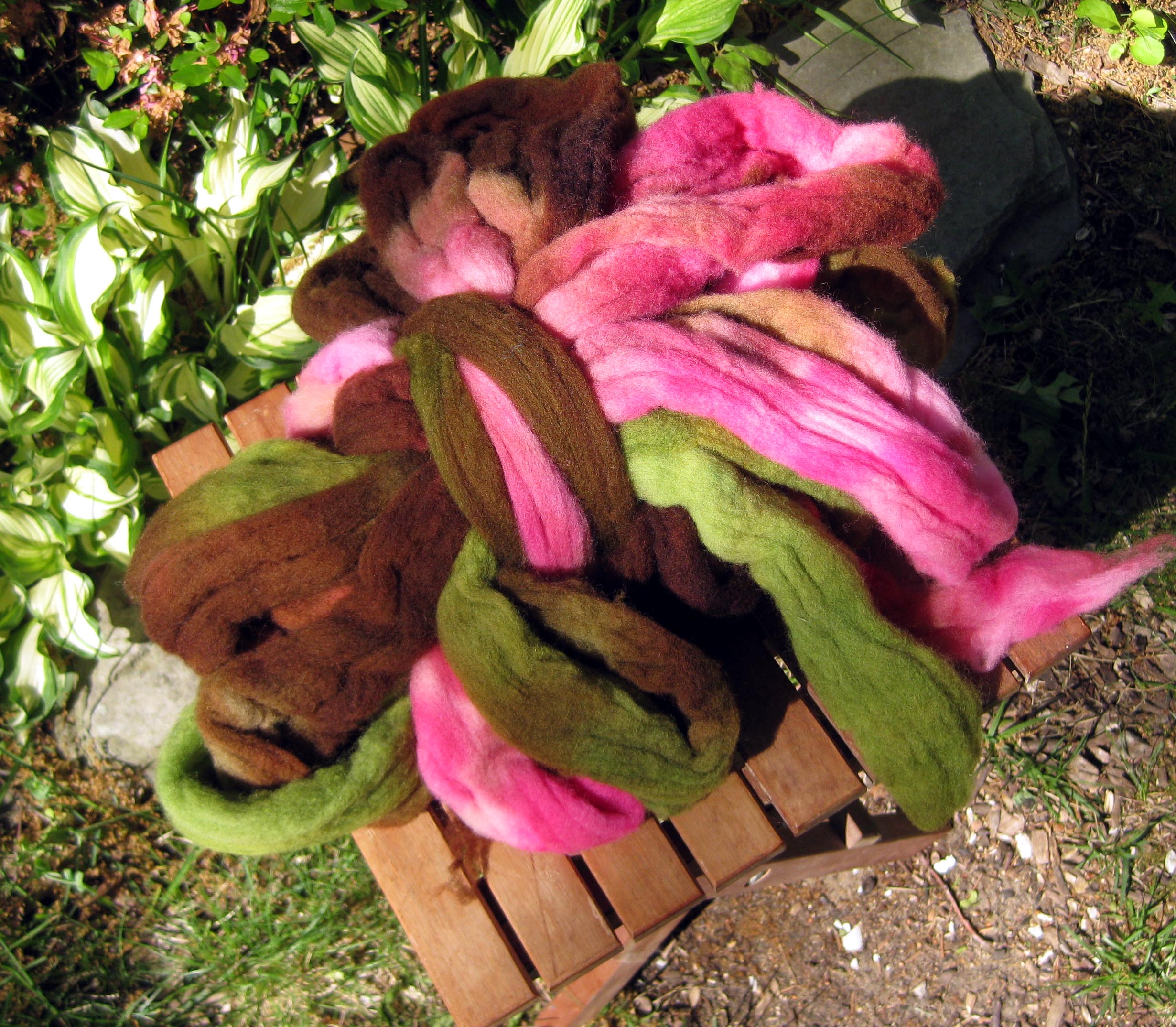
This is a corriedale roving that I dyed with Wilton’s Icing Colors food dyes:

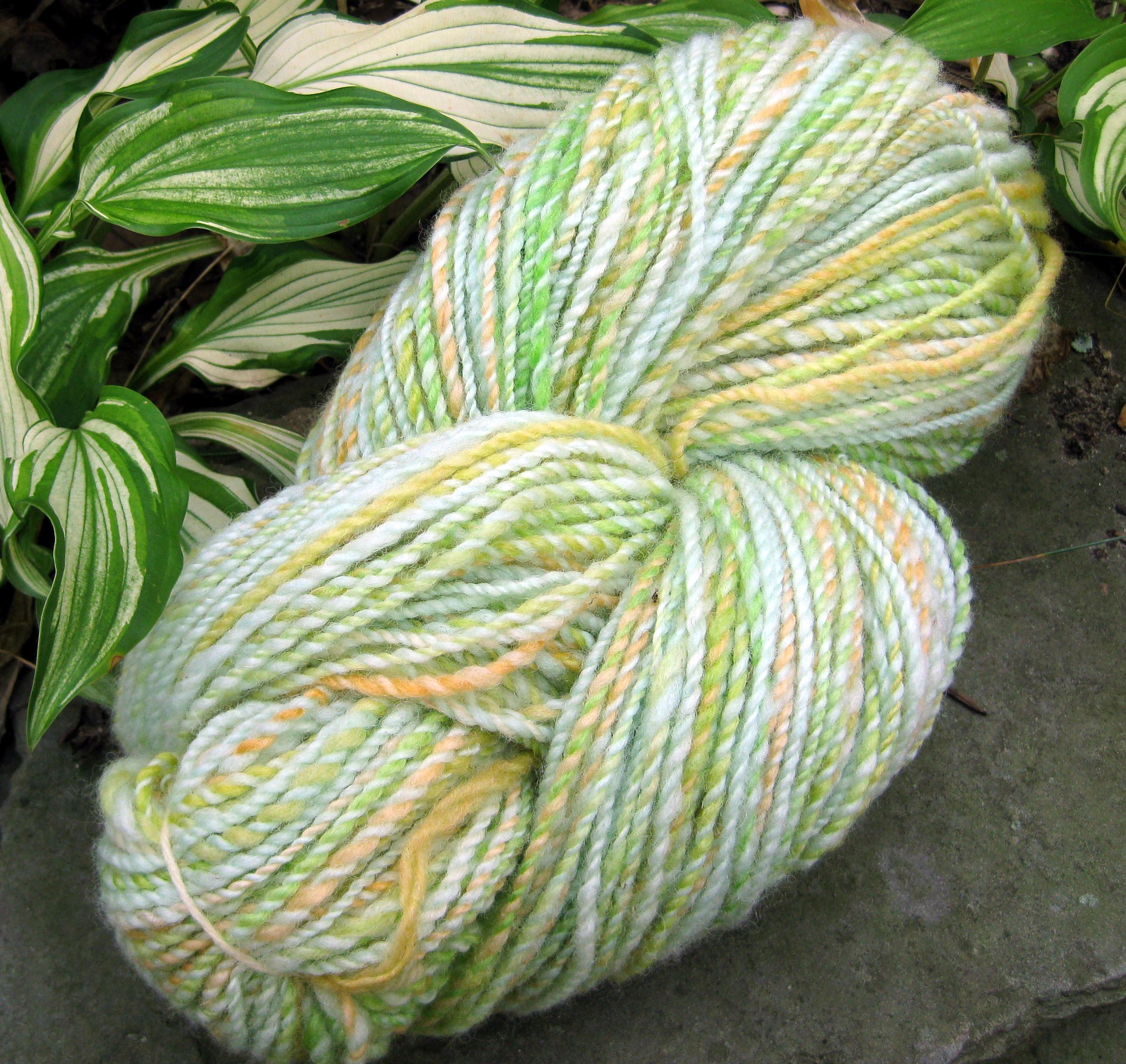
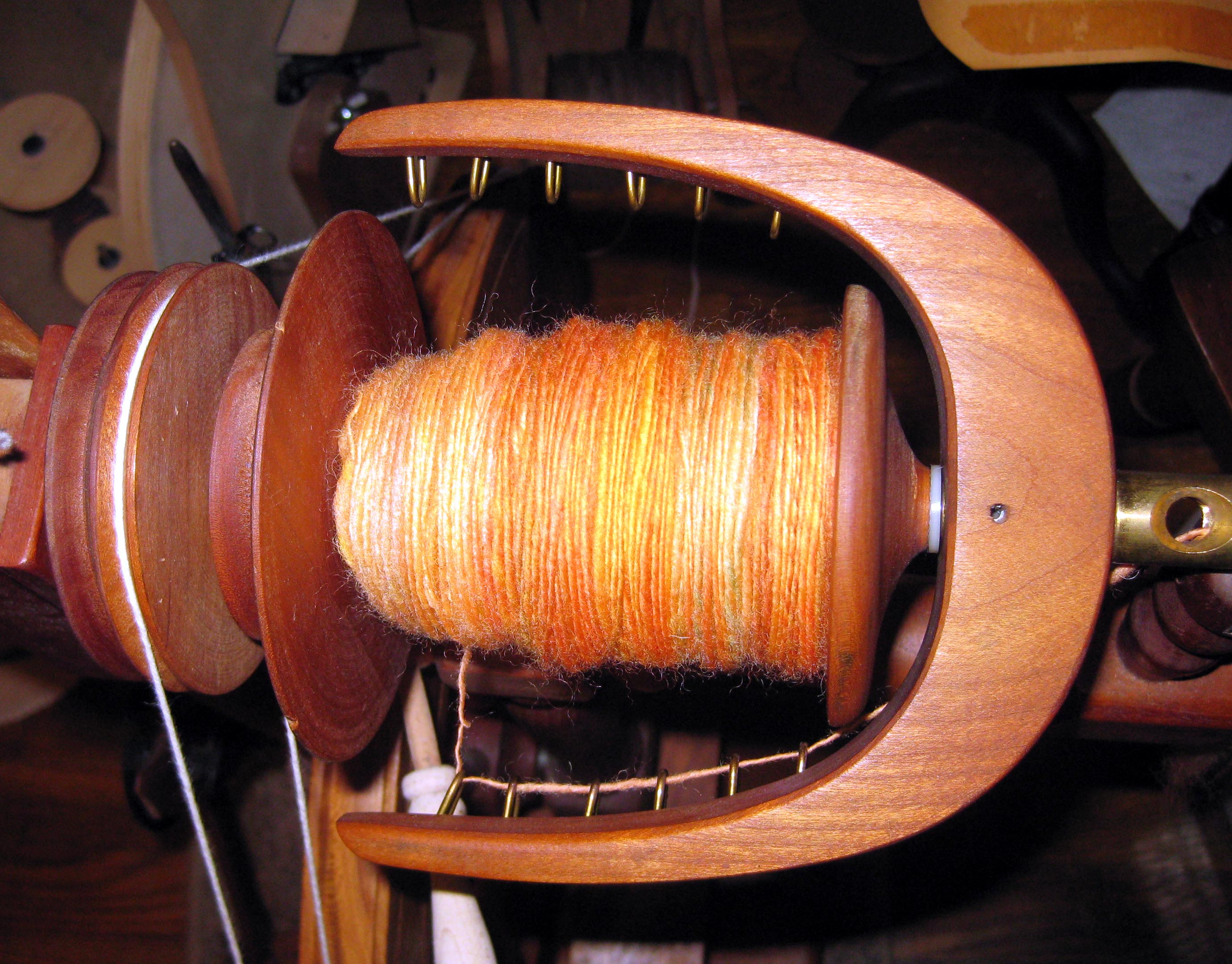
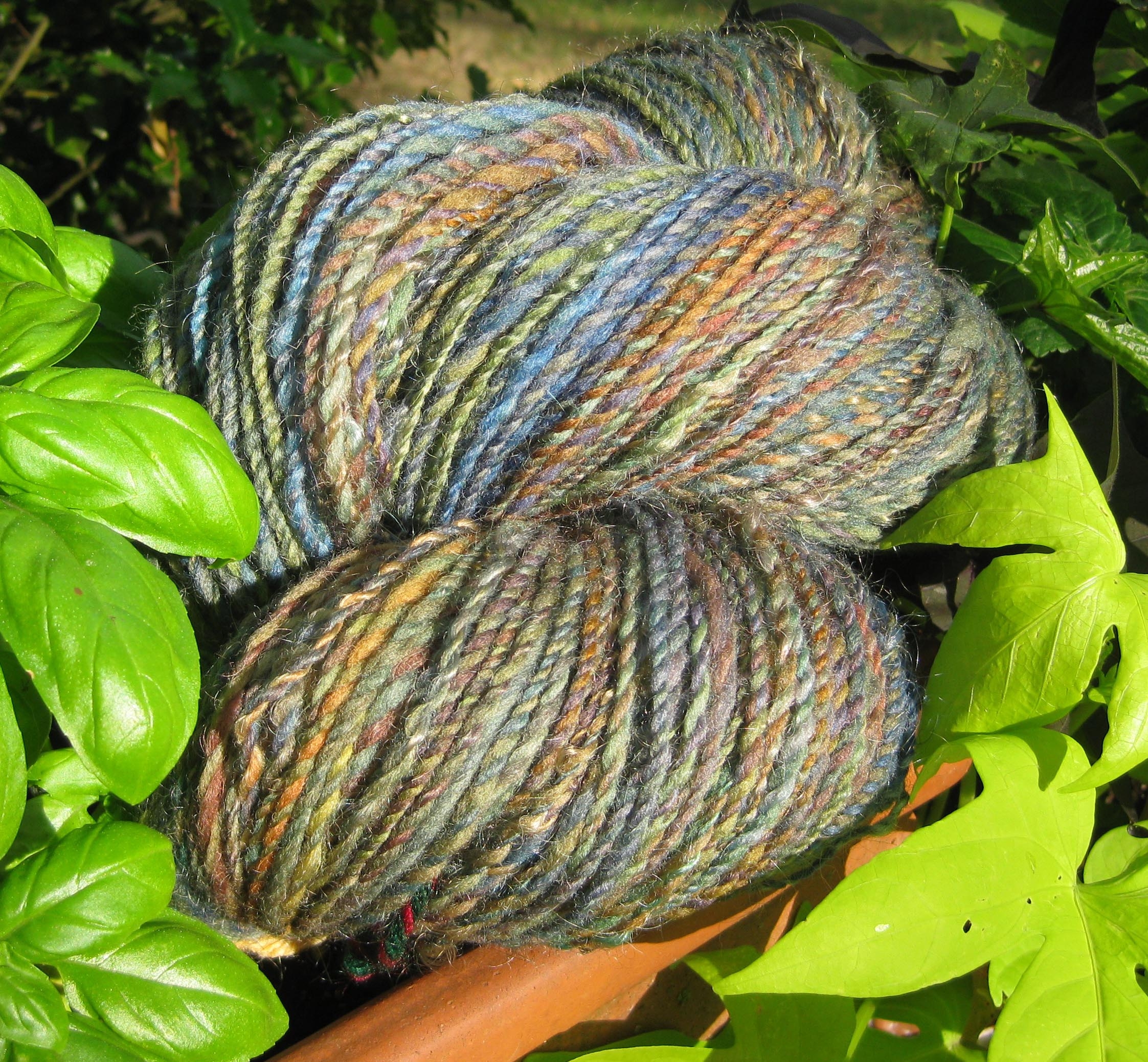
This is the resulting double-ply yarn:

I would have liked a little more of the cantaloupe color, but am pleased with the results, just the same. Not being an expert dyer of any degree, I’m always happy that the experiment worked at all!  🙂


Spring Irises in Summer!

August 4, 2010

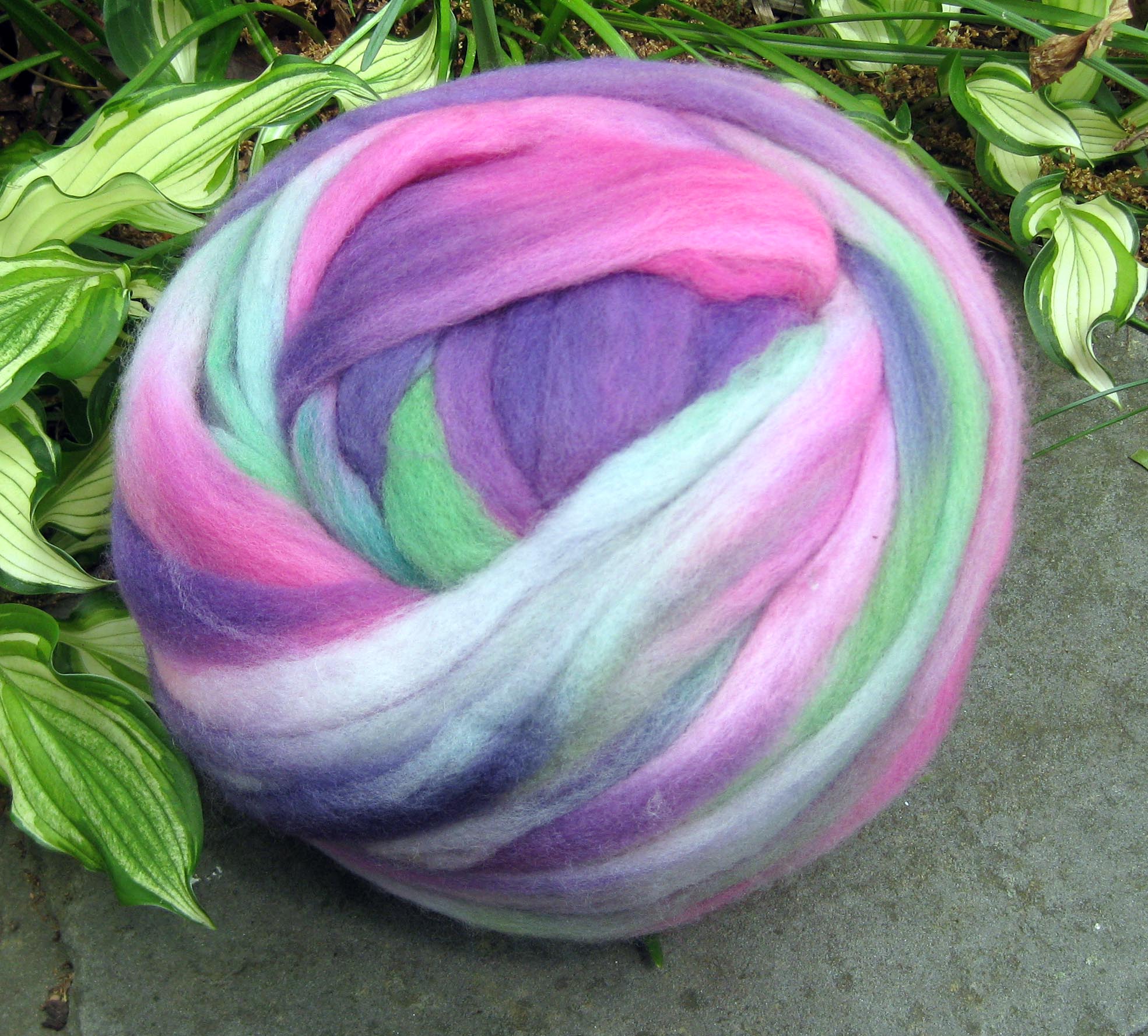
Many blog posts ago, I showed off all the wonderful rovings that followed me home from the Maryland Sheep and Wool Show. This cormo roving reminded me of irises:

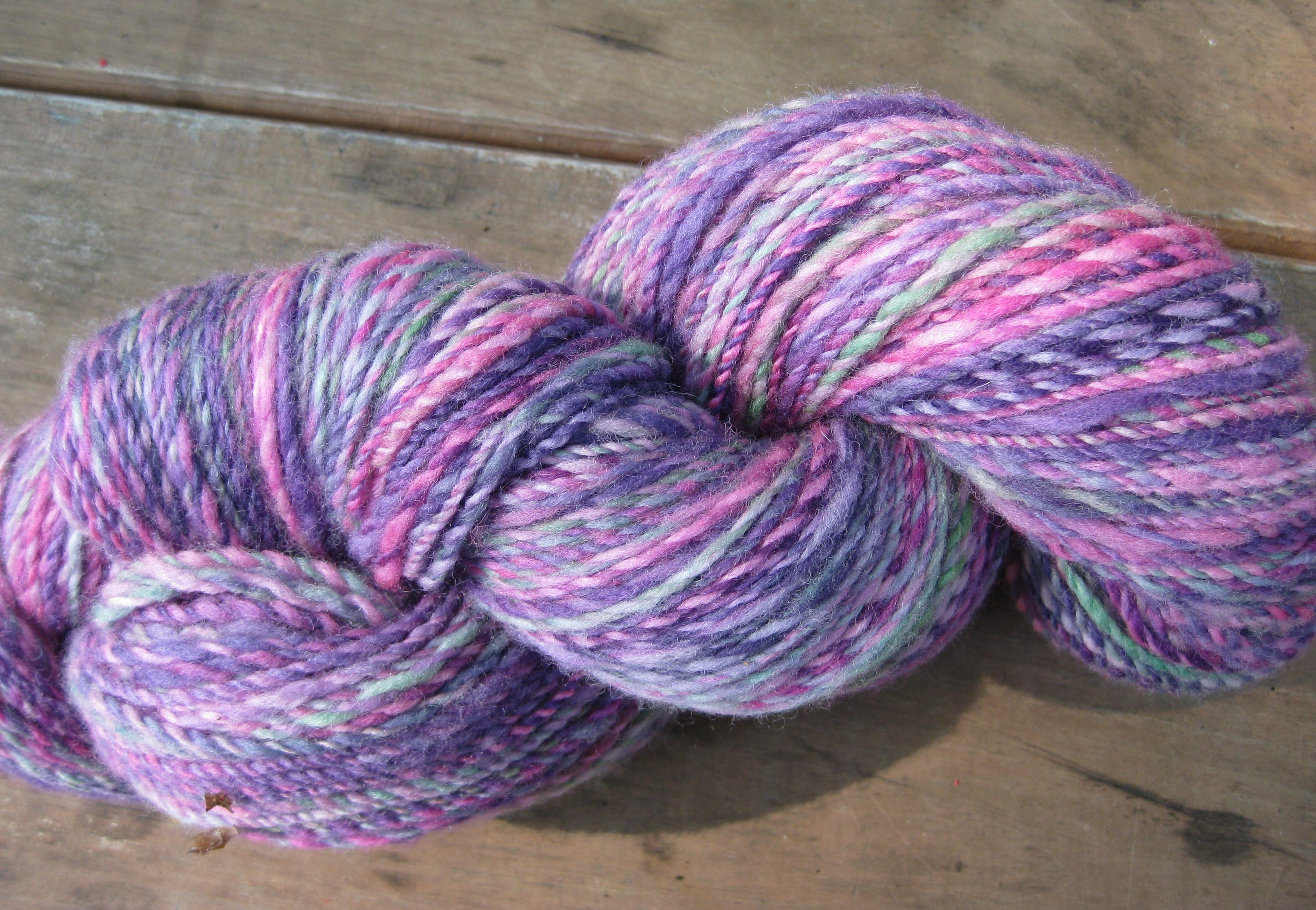
It never ceases to amaze me that you never really can tell what the finished product with look like. This is how my iris roving looks as double-ply:

Pretty! And purple! I bet I know who will be looking at this with longing eyes!


Hemerocalis

July 12, 2010

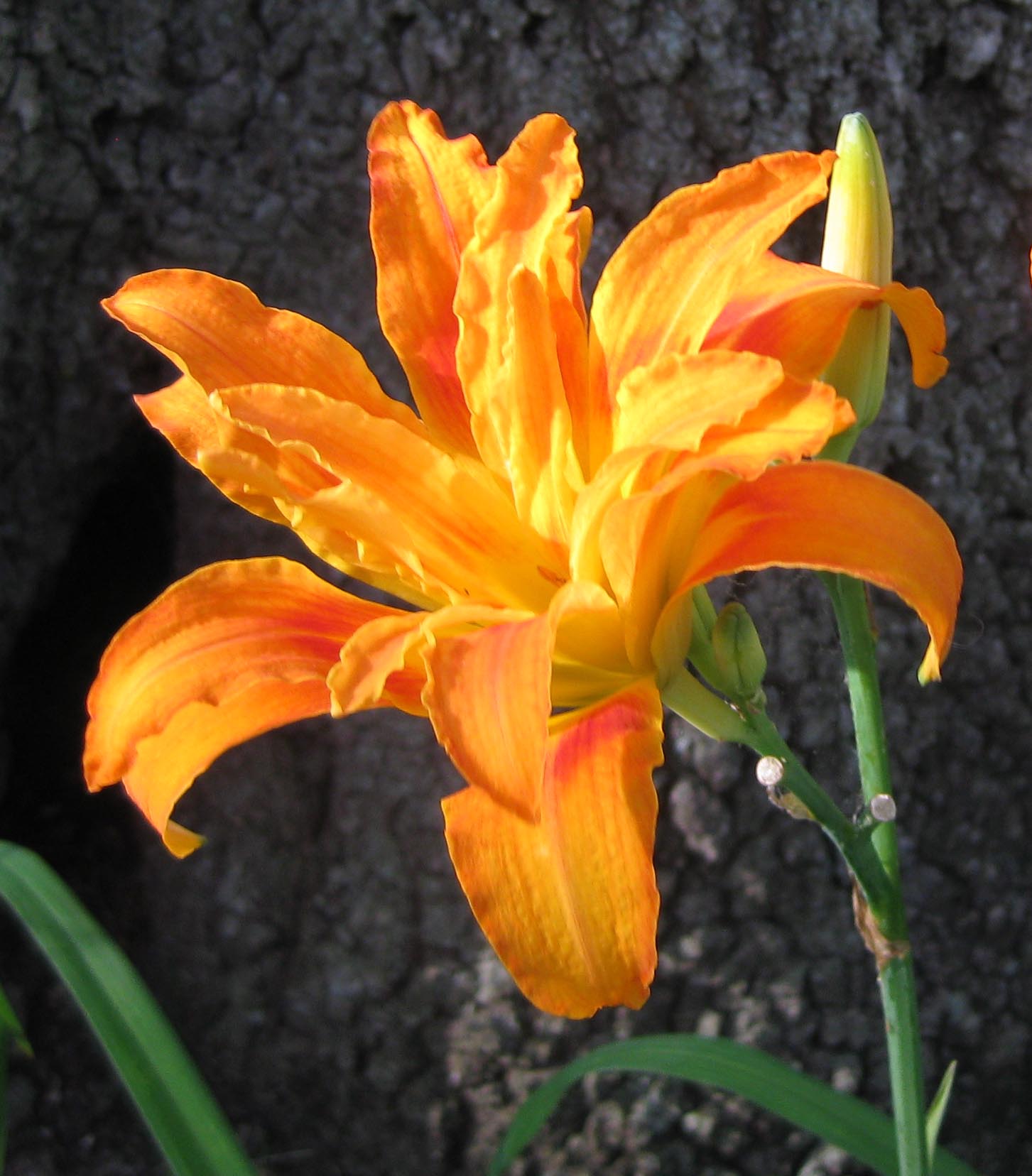
The common daylily, genus Hemerocalis:

Actually, these are not quite so common, as they have a double flower.

These flowers have been in my yard a long time. When I was in high school, my best friend Susan and I were wildflower-crazy. There was huge field near a pond near my house and every summer, it was filled with daylilies. One spring, we took trowels and a bucket and dug up a batch of the newly-sprouting tuberous roots. We divided our take and planted them in our respective yards.

One thing about daylilies, you can’t get rid of them if they like you. That original handful of roots grew, spread, were divided, and spread again. Among them were occasional double-flowered ones and I managed over time to segregate them into one bed. A few years ago, we decided to put a ring of daylilies and a ring of green hostas around the oak tree in the front yard and used the double daylilies to show them off.

Every time the daylilies bloom, I get the urge to do some dyeing and try to capture their rich orange color mottled with yellows, dark red, and green. Previously, using only Kool-aide or food coloring, I never quite got the depth of color I was after. This year, armed with the Greener Shade Dyes and some roving from the Sheep Shed, I came pretty close to reaching my goal:

Spun up, the mottling of colors began to drop out:

And by the time it was double-plied, it did not have quite the speckling I was hoping for. However, I was pleased with the depth of the color and will make another venture in trying this one again.

In full sun, it is a lighter orange, but still a pretty shade:


Today’s Dose of “From This to This to This”

July 12, 2010

Today we have from this:

To this:

To this:

To this:

Those who know me, know I am not too much of a dye person. My kitchen is small, dyeing is smelly and messy. Plus, most dyes come with the provisos that family members and small animals will drop in their tracks if they ever make the mistake of using the utensils you dyed with.

Kool-aide and Wilton’s Icing Colors have been the safe alternatives and I have gotten some darned good results, too. However, I longed for adventure. That’s when I stumbled over Greener Shades dyes. I have added their link to the blog home page list of links. Basically, Greener Shades are low impact acid dyes without all the dire warnings of impending doom should a family member inadvertently use a utensil formerly used in dyeing. I am an inexpert dyer and was happy with the results.

The other thing to note (and new link on the list) is the Sheep Shed Studio in Montana. Fifteen pounds of white roving for around $100 with shipping. These are all the Brown Sheep Yarn mill ends. The one pictured above is the 75% wool and 25% mohair and you can see the vein of mohair running through it. All great roving and I doubt I will ever buy a plain white fleece again because, by the time I get through washing and processing, I have spent double what it would cost to just get it from Sheep Shed.

By the way, it took 4 days to make this post, thanks to WordPress suddenly going wonky on uploading photos. I finally had to go into Firefox to make it happen, but it has taken from around 5:00 PM to 8:00 PM to post 4 photos? There must be a better way!


Summertime Blues

June 29, 2010

I have been mainly spinning lately. This was more of the hand-dyed merino roving from Woolbearers in Mount Holly, NJ. It went from this:

to this:

to this:

This is one of the things that I love about spinning– going from this, to this, to this. The final “this,” of course, is knitting or weaving something out of the yarn. You never really know what you have until it is made up. Not sure what this blue is destined for, but the colors are lovely and summery. A shawl for an evening’s walk along the beach, perhaps?


The long-awaited Rivendell Socks

June 16, 2010

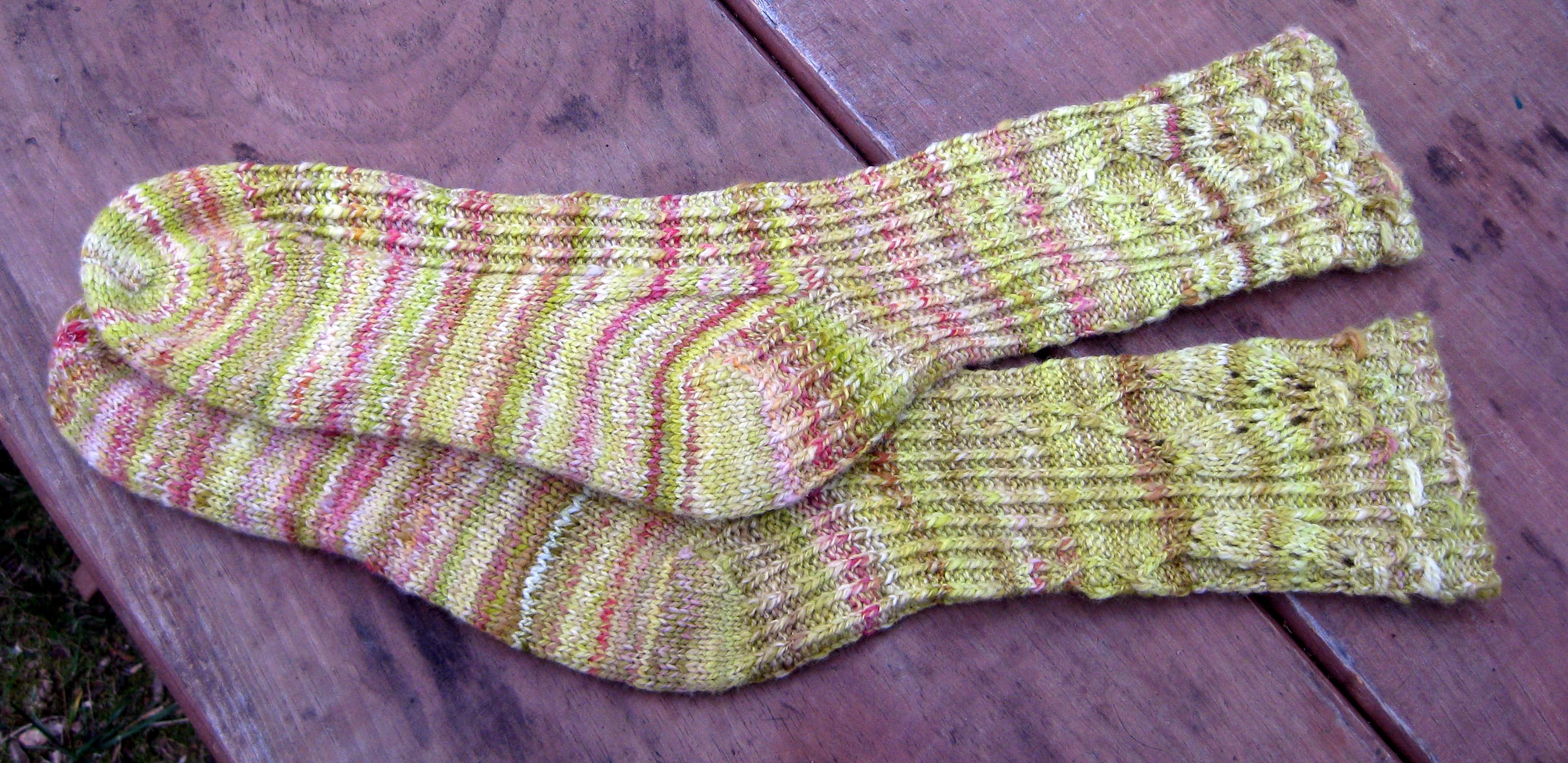
Okay, so I could have knitted several pairs of just regular ribbed socks in the 3 months it took to knit these. But this was the first time I ever worked with a charted pattern, so I was pleased that I was able to follow it as well as I did. Plus, I survived the tedious purl, purl, twisted rib knit overall pattern!

The design is lovely and well -balanced:

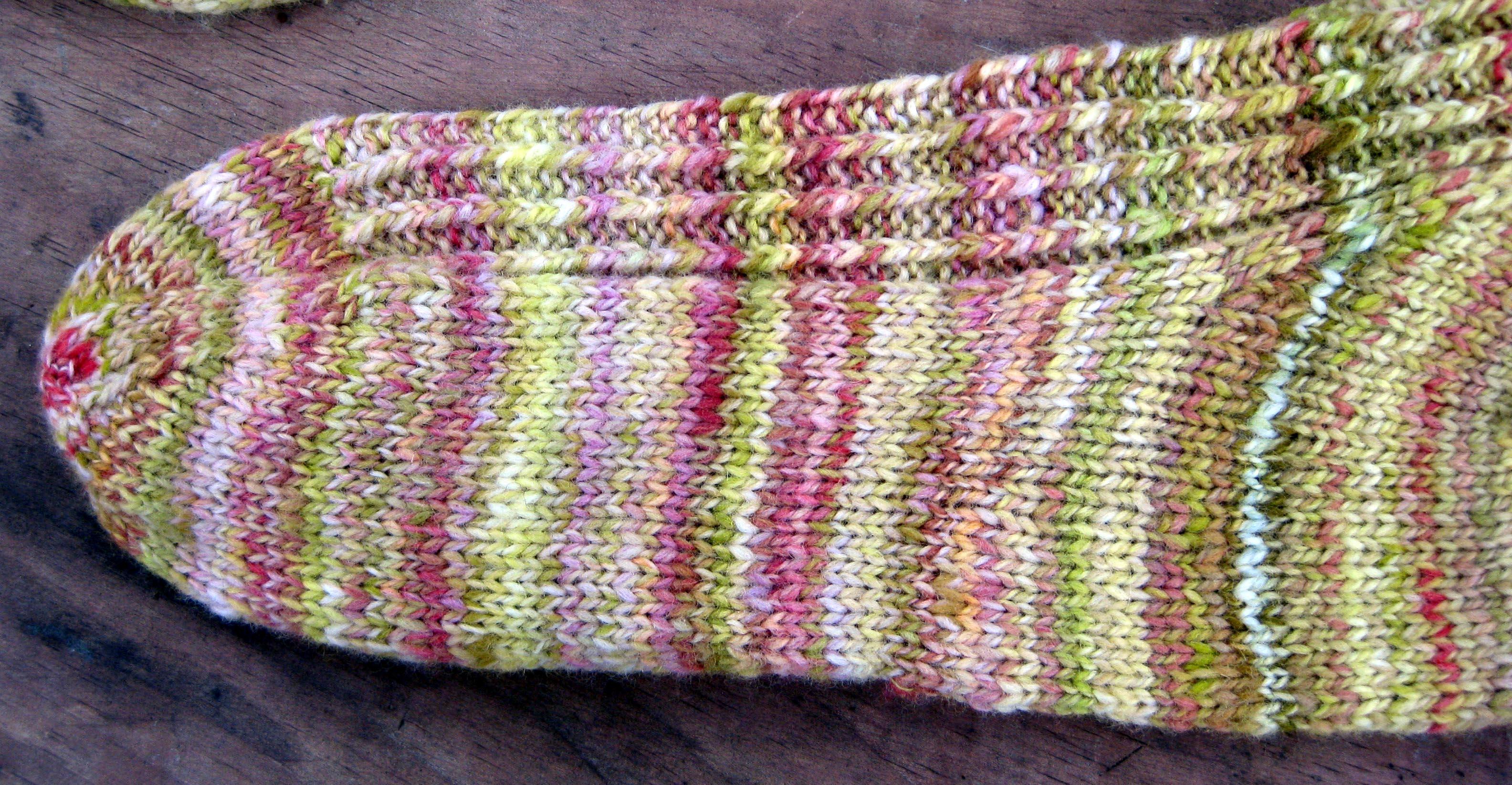
And the yarn, spun from hand-dyed merino roving from Woolbearers in Mt. Holly, NJ, was fabulous to knit with:

I love the colors! It is early spring and azaleas in bloom, and new leaves on the tree. The only change in the pattern I made was to tighten up the heel by one stitch on either side of the reduce. Overall, I was very happy with the results!


Catching up

June 6, 2010

Okay, I am far behind on my blog posts. One reason is this damnably slow computer which has just spent about 15 minutes loading the new post page!

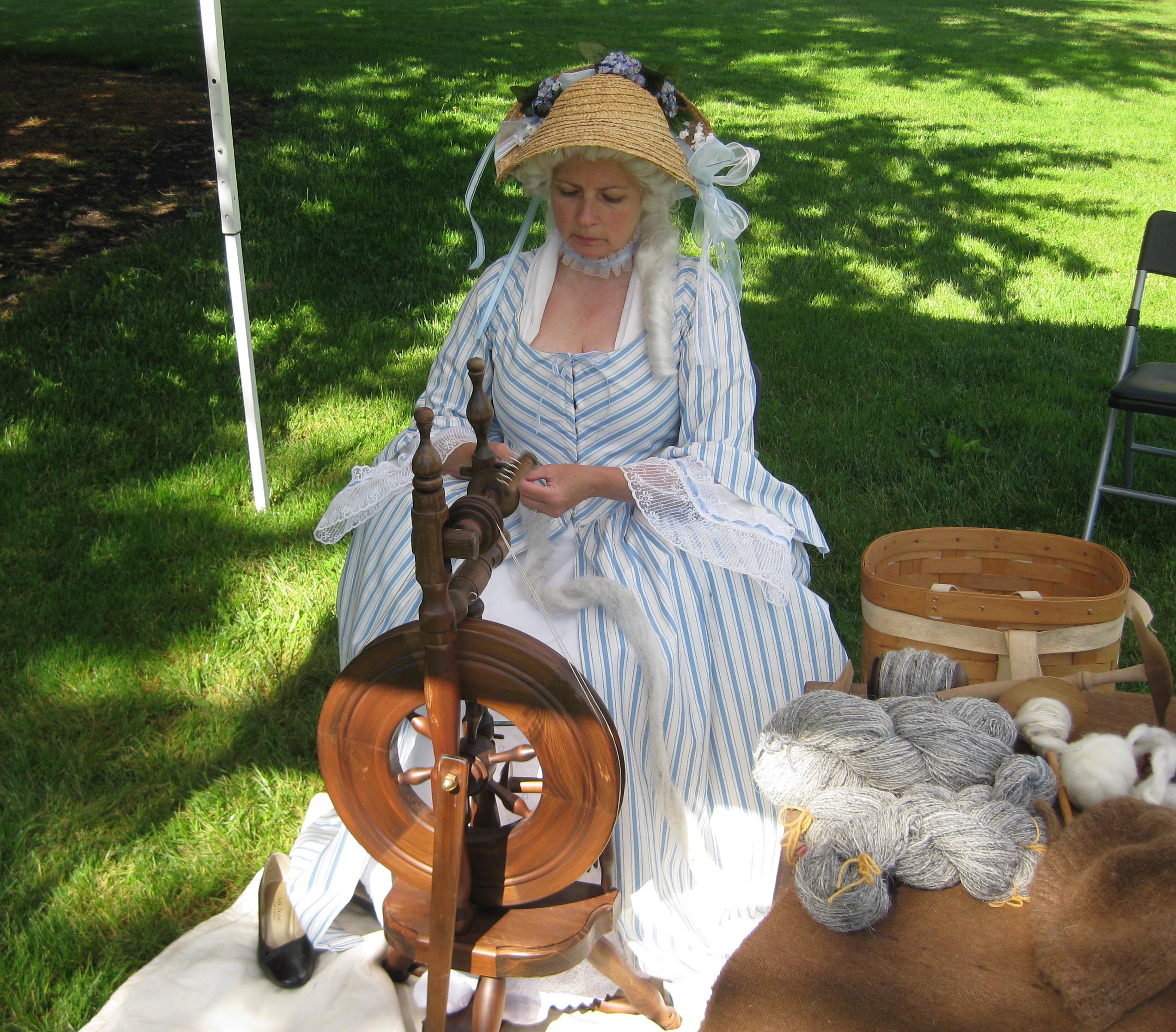
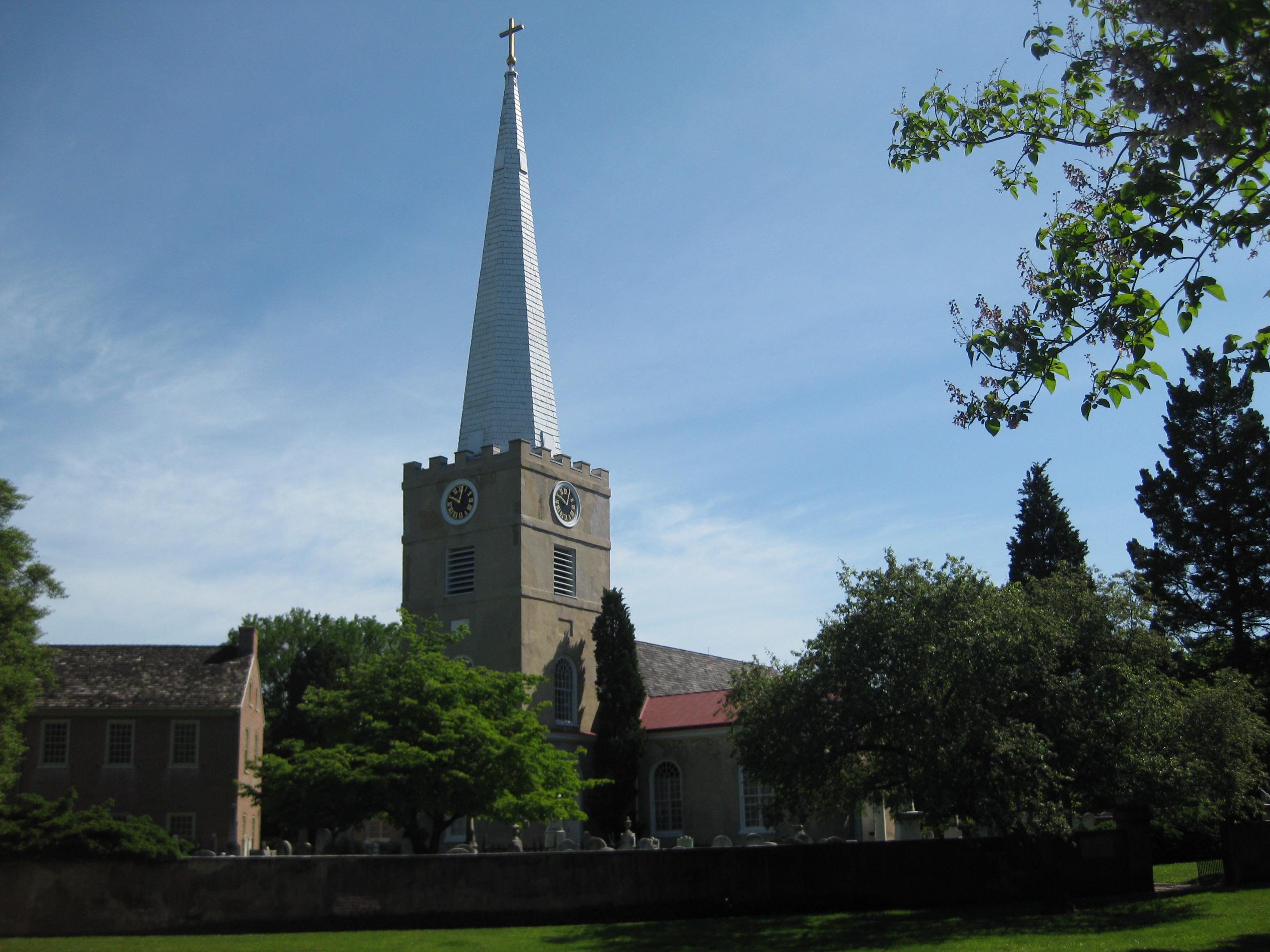
I wanted to do something on the Day in Old New Castle. Except I can’t call it that, that event was cancelled, and another organization stepped in and hosted “Historic New Castle Day.” This is in New Castle, Delaware, it is supposed to be the longest-running annual house and is the oldest house and garden tour in the country. It is one of our favorite events to do the handspinning demonstration at every year.

New Castle has a gorgeous historic district, complete with this Episcopalian Church:

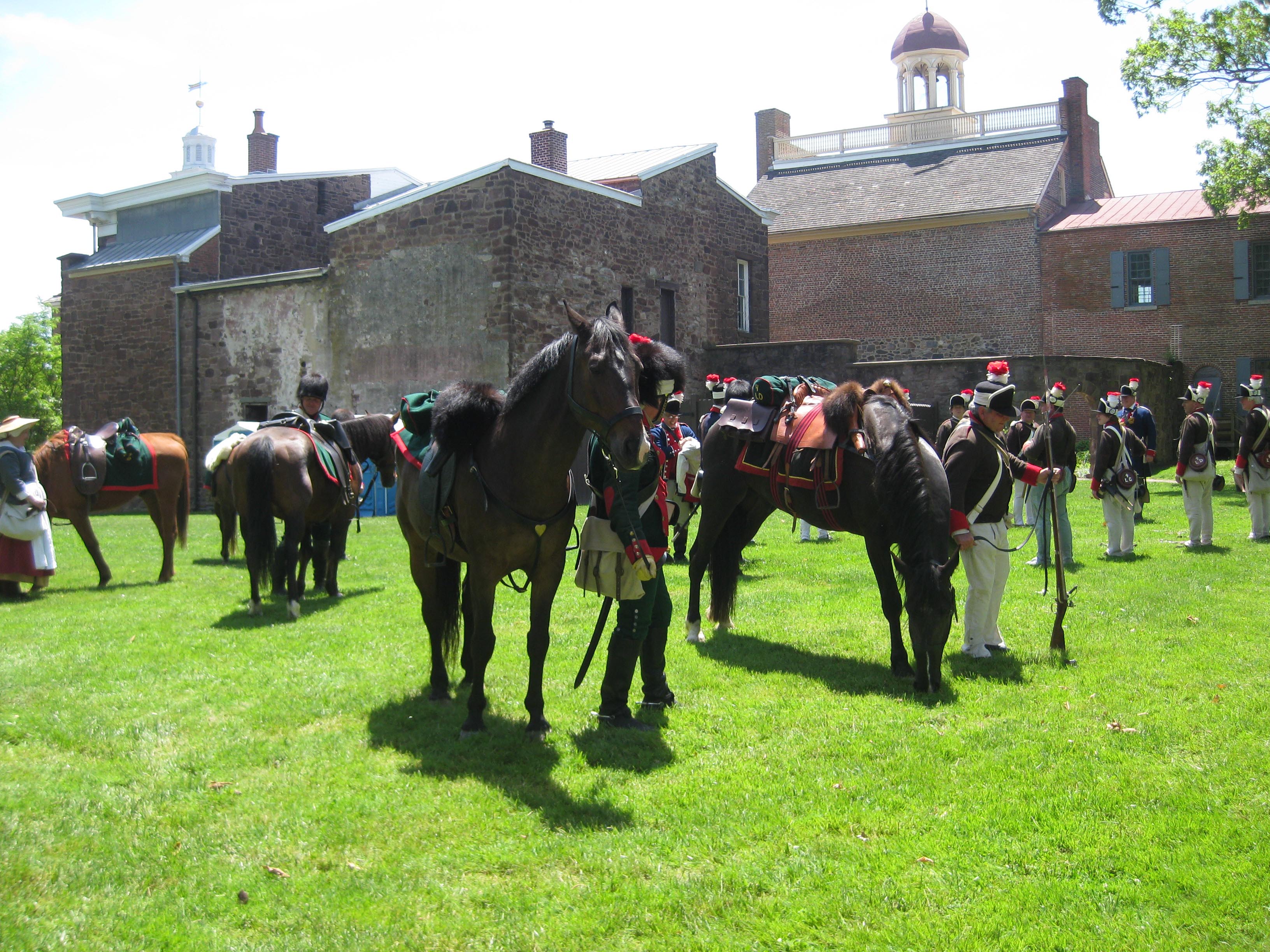
This year, the light dragoons put on quite a show all day long:

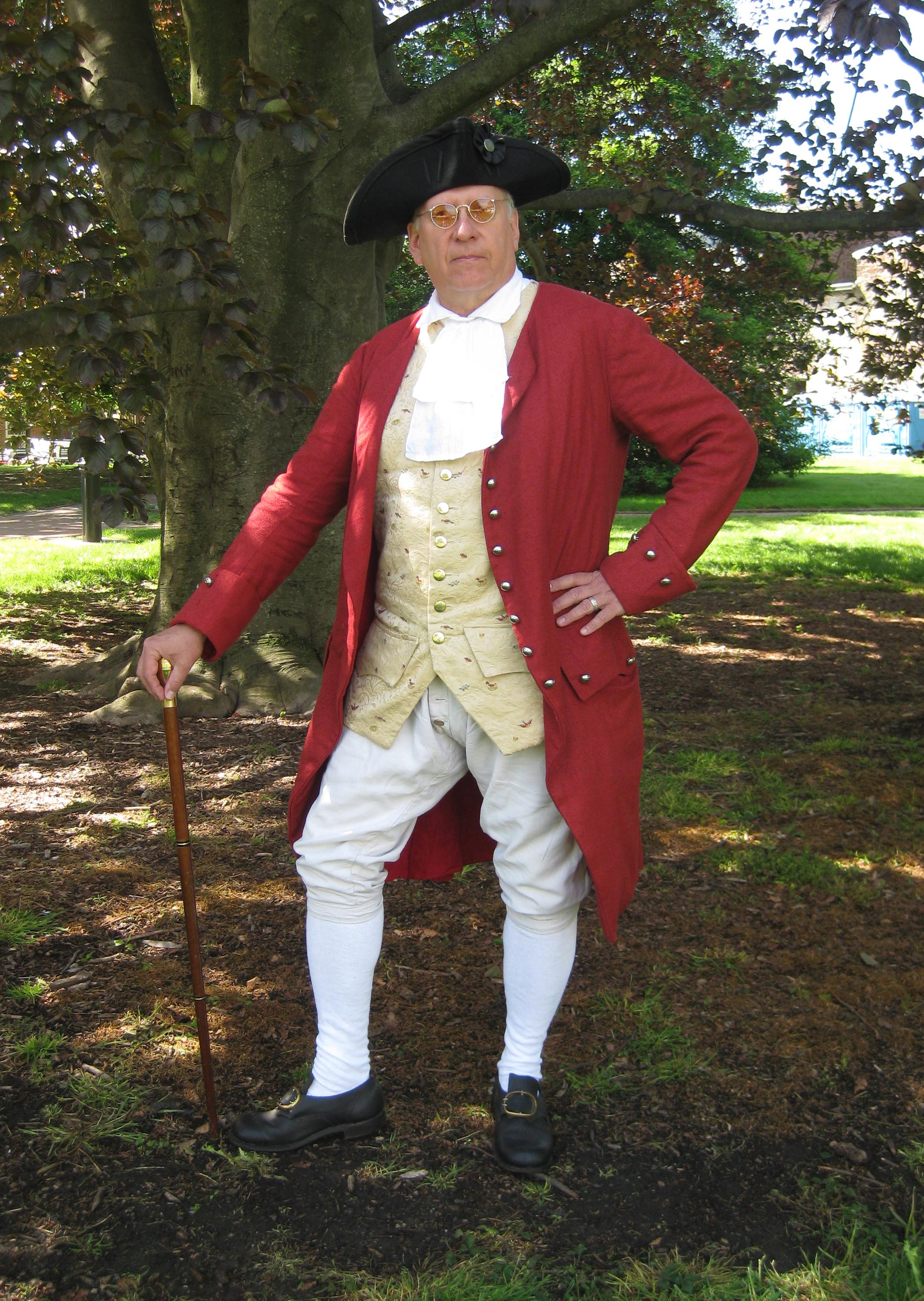
And, of course, this colonial gentleman was lurking around, emoting:

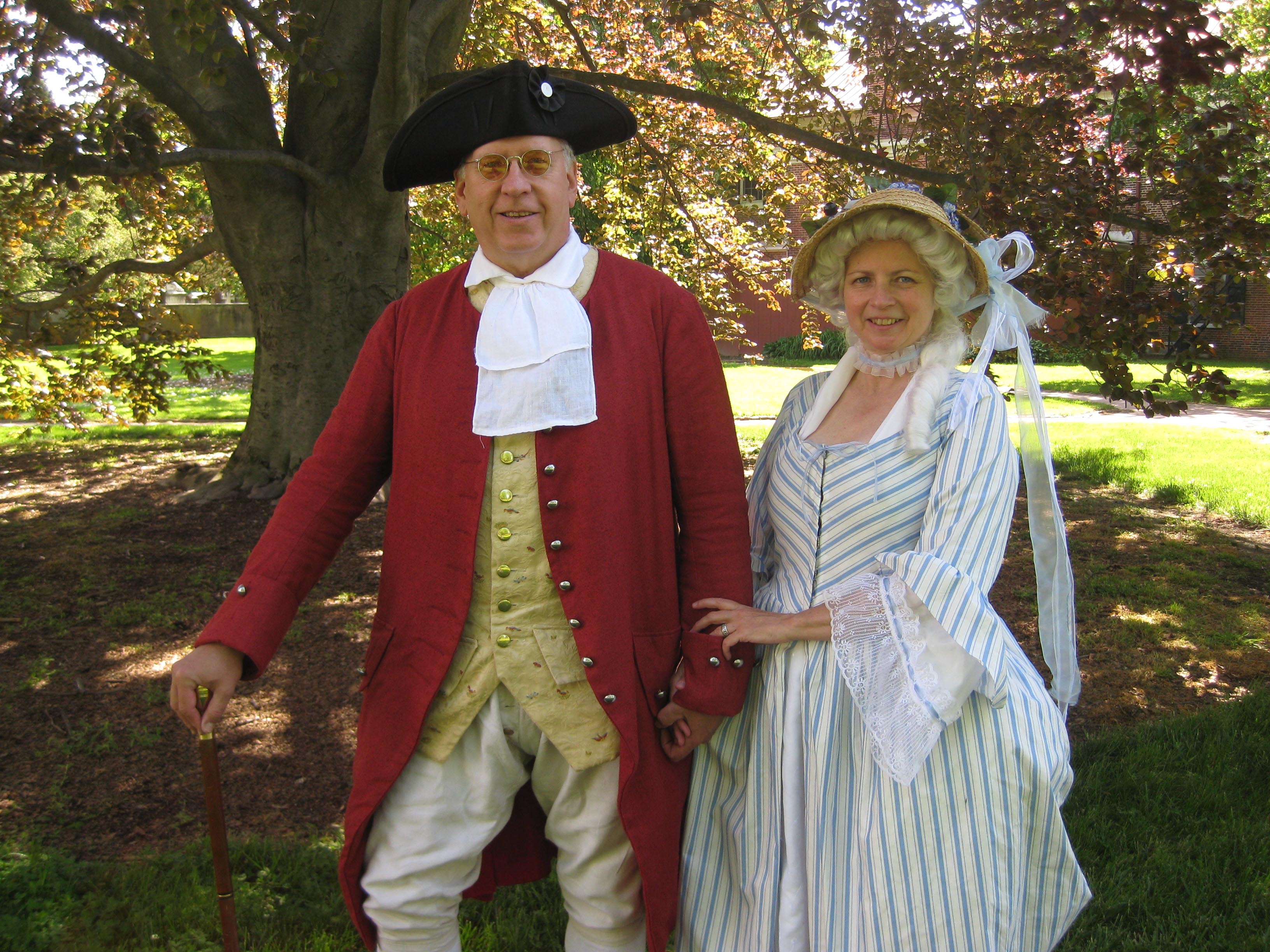
Hey, wait a minute! That’s no gentleman, that’s my husband!

We talked to tons of people. I was spinning a blend of Scottish Blackface and Cheviot, which I will eventually use to weave tweed cloth.

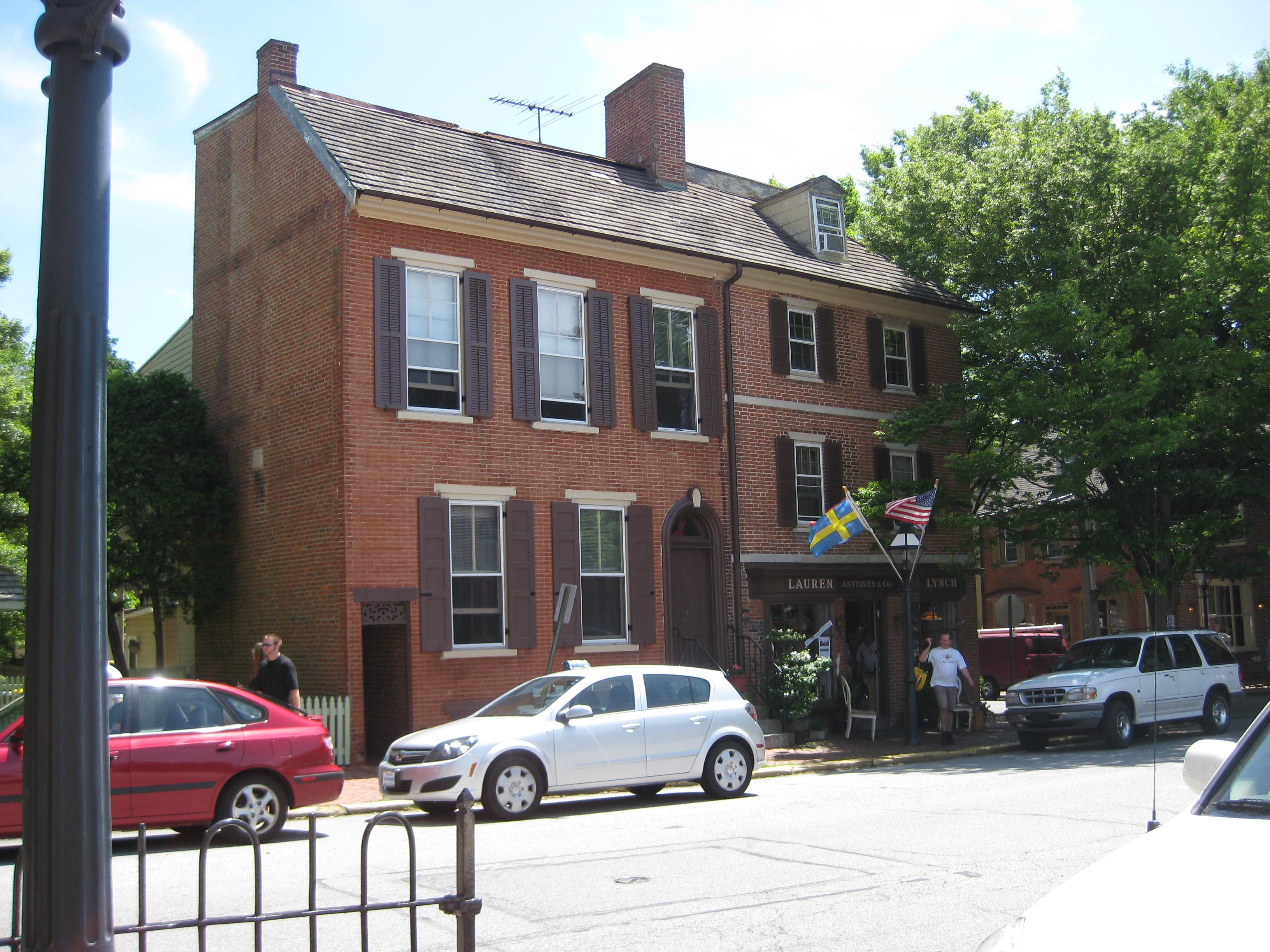
After the event, we paid our annual visit to the local colonial restaurent, Jessup’s Tavern, for dinner. Patrons are always amused to see us in Colonial garb. Afterwards, we walked in the Historic square area. Here is where I would open my knitting shop in an ideal world:

I always loved this building. The corner is actually two shops (one entrance is around the side) and the part to the left that originally was a house is now cut up into rental flats. If I win the lottery this week, it is the first thing I would buy!

And, as the sun sinks slowly into the west, we leave beautiful historic New Castle with John’s favorite picture that he took:


Wool, and more wool

May 19, 2010

Before we get to more wool roving acquired at the MSWF, a word about wool (what else?). Whilst trolling the internet, I recently stumbled across a story from Great Britain from January.

At one time, there was a saying: “Half of the wealth of England rides on the backs of sheep.” This was during the time of Henry VIII. When Henry dissolved the monasteries and seized their land, he also seized what was on their land, including the sheep. Henry’s treasury was not in good shape, so no doubt the value of the seized sheep was much appreciated. I often wished I had stumbled on this concept when I was thinking up topics for my Master’s thesis, but I digress.

In any event, the wealth of England historically was in the wool industry and that has fallen on hard times in the 20th and 21st Century. Enter Prince Charles, the fellow who gave his wife two Cotswold sheep for her 60th birthday, a gesture that I, for one, would certainly swoon over! (I particularly like Cotswolds!) Charles again has proved himself champion of the British sheep by supporting a new initiative: The Wool Project:

The Prince of Wales launches the Wool Project

26th January 2010

The Prince of Wales will launch a new initiative aimed at increasing demand for British and Commonwealth wool today. ‘The Wool Project’ will see diverse groups from across the wool sector including textile designers, the carpet and fashion industries work together to improve public awareness of the benefits of this sustainable product.

The Prince of Wales, a long time supporter of upland hill farmers, has long been concerned about the low prices farmers have been receiving for their fleeces. In February 2009 His Royal Highness convened a meeting at Clarence House of representatives of wool producers, the fashion, retail and carpet industries, textile designers and the fire service to see how the problem could be addressed.

Wool grower organisations from the United Kingdom, Australia and New Zealand and others, including Marks and Spencer, will launch a consumer facing campaign in the Autumn that will communicate the advantages of wool to the general public.

‘The Wool Project’ Chairman and Director, Pastoral Alliance (NSA) John Thorley said, “Wool is a sustainable, natural product – the production of which involves far lower carbon emissions than man-made fibres. It is perfect for domestic use as a natural insulator and is naturally fire retardant. We are delighted that The Prince of Wales has helped bring us all together to communicate its many benefits to the public, and help improve the market for sheep farmers across the United Kingdom and the Commonwealth.”

Note that in the royal press release above, there is no mention of the yarn industry that keeps us knitters duly supplied. I tracked down the fellow who appears to be duly responsible for The Wool Project and sent him an e-mail, appealing for the knitters and handspinners to be well supplied with British wool. Who are better cheerleaders for wool, especially British wool? Or Australian? Or New Zealand? Most handspinners I know would gladly lie, cheat, and kill for a raw New Zealand fleece!

What can we do to help further the cause of British wool, Mr. Thorley?

Stay tuned for an answer!

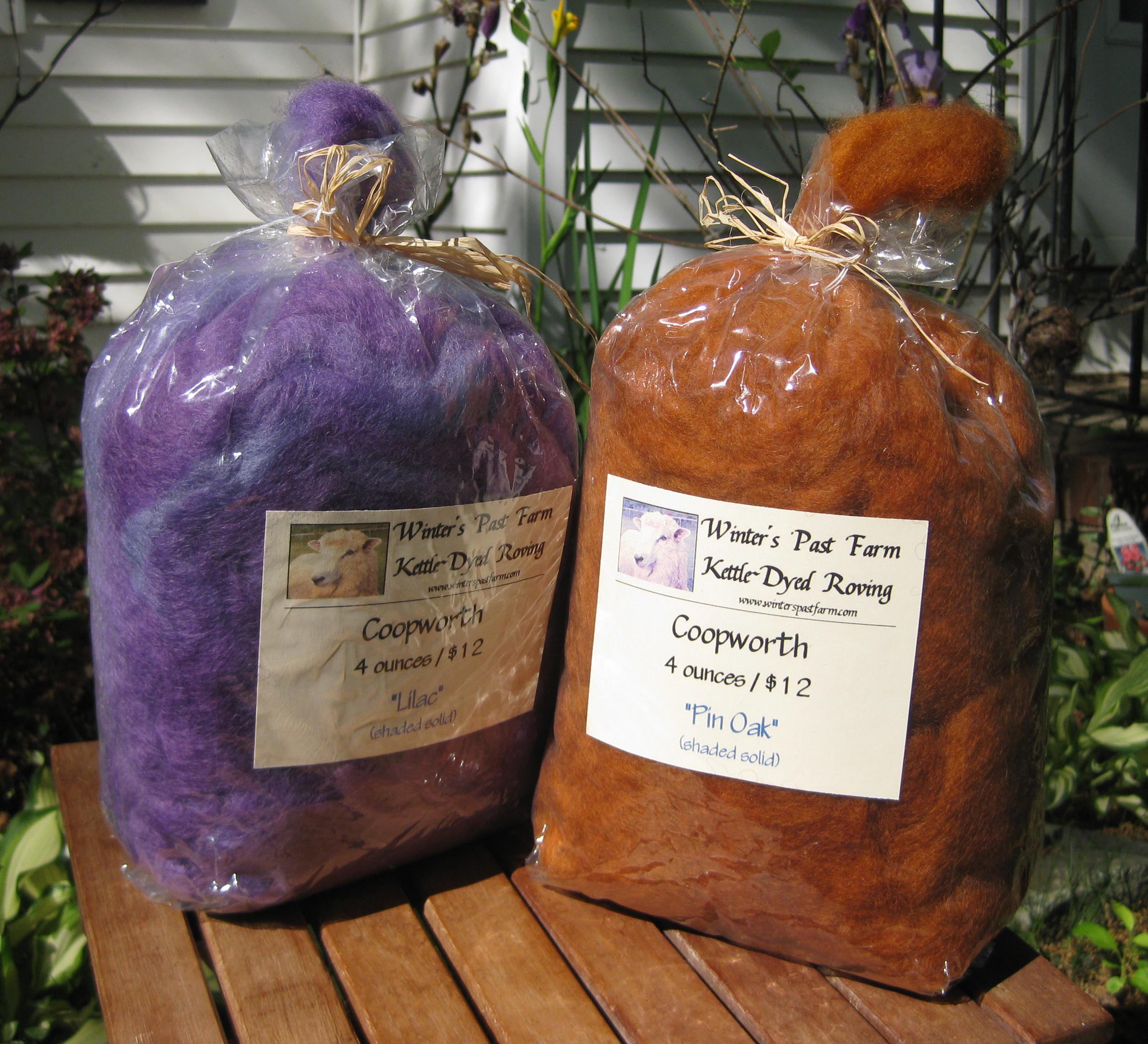
In the meantime, here are two more finds from Maryland Sheep and Wool. Note that these are BEAUTIFULLY packaged, with the vendor’s name prominently displayed. I learned alot about proper packaging on this outing!

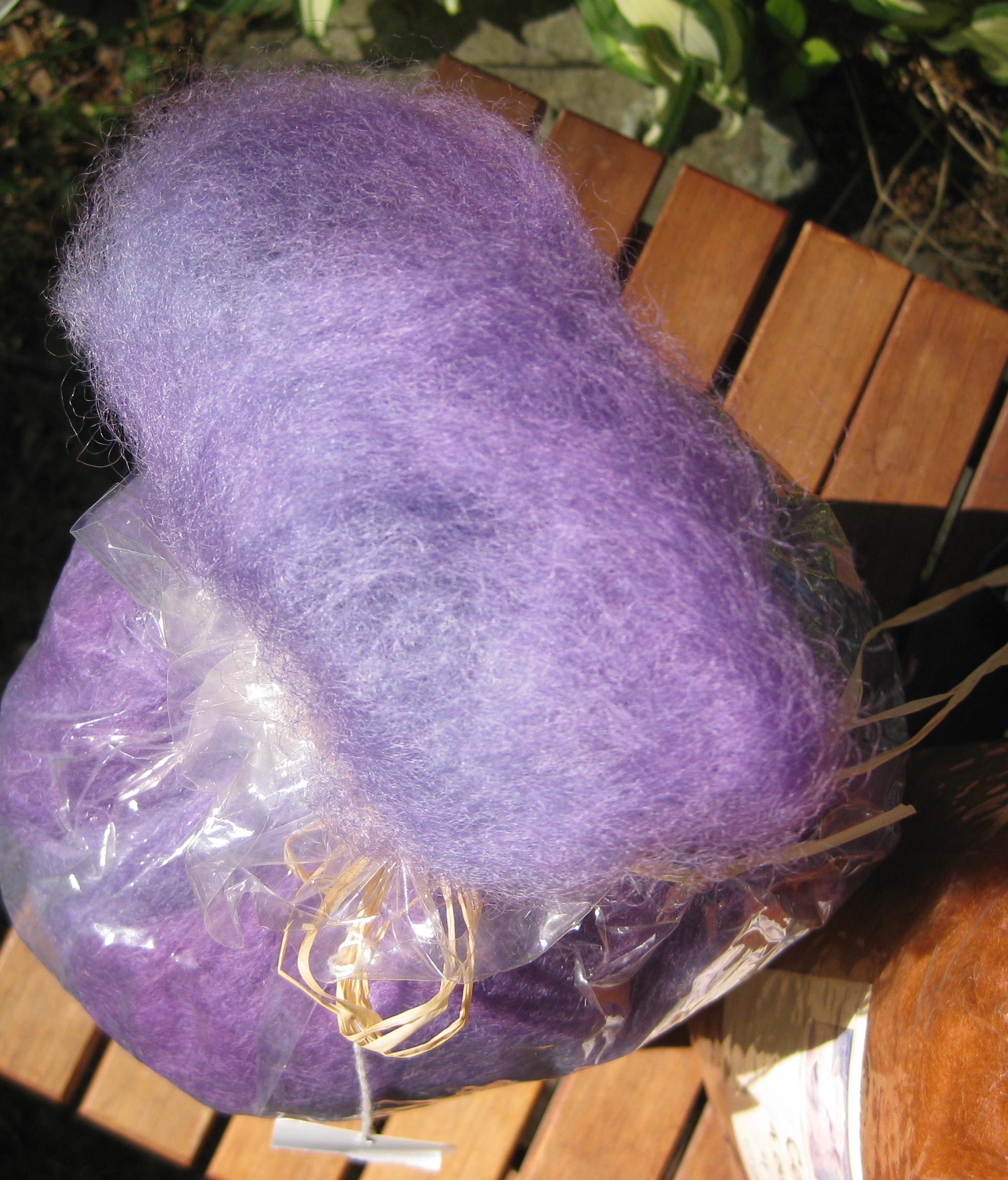
This is the one on the left, “Lilac”:

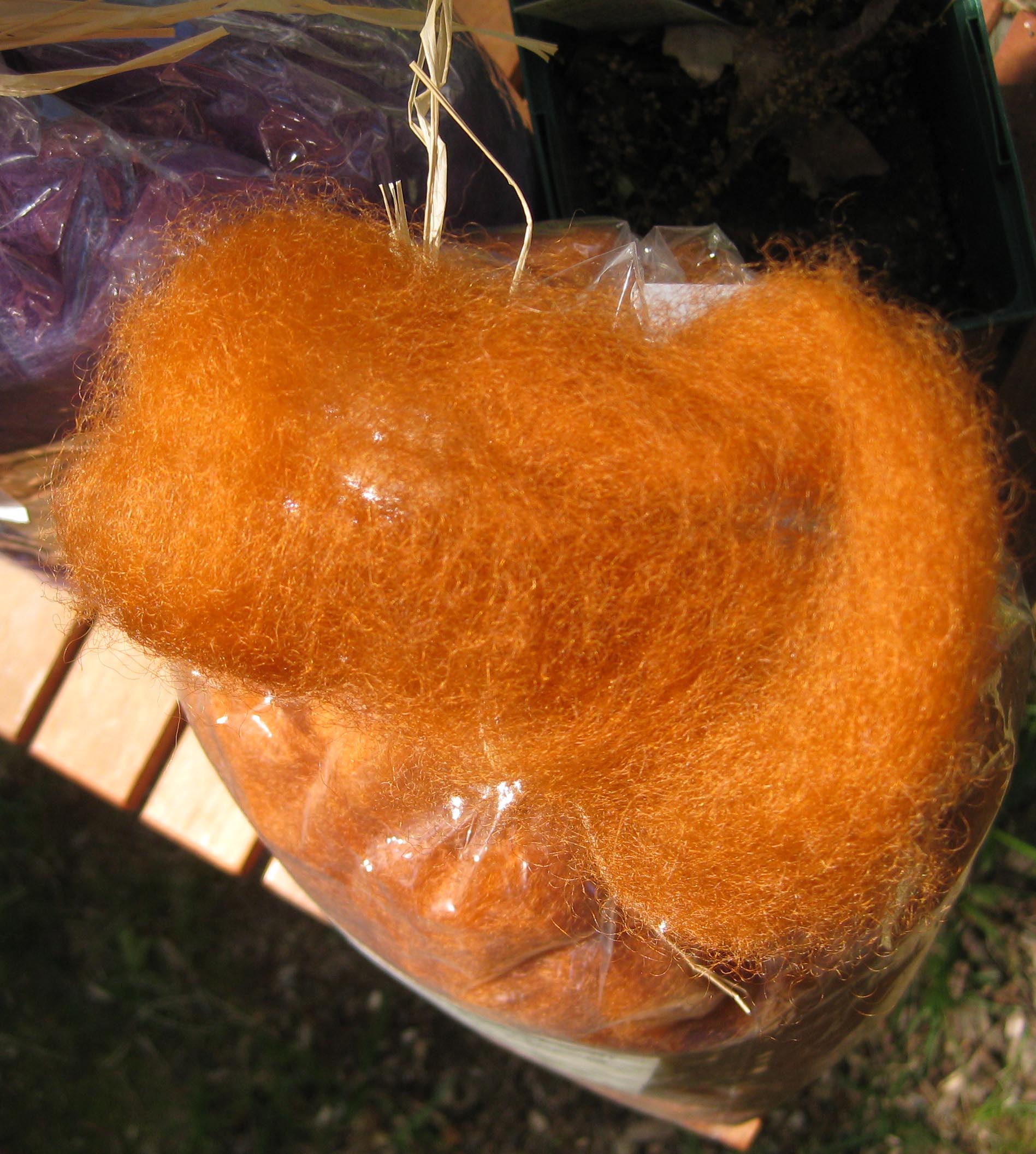
And the one on the right is called “Pin Oak”:

I love this color!  I just bought 3 coopworth fleeces, two colored and one white, so while I am waiting to get them processed, I can enjoy spinning these.

Today’s rovings lovingly packaged by Winter’s Past Farm, www.winterspastfarm.com.


Today’s Rovings

May 13, 2010

First off, many thanks to my fiber friend, Casey, for facilitating the return of my Blackberry. I am involved in our town government and arrived at our Borough Hall for an early evening meeting. The door to the meeting area was locked, so while I got out my key, I put down my Blackberry and then walked away and left it. Fortunately, it was on the bench outside the police station. During the meeting, one of our cops walked in to return it. He apologized for using it, saying he had called the last number dialed, which happened to be Casey on her way to the Maryland Sheep & Wool Show. She obviously set him straight, because he found me straight-away in the meeting. Although he looked at me like, Dope. Oh, well. Thanks, Casey, for putting him straight!

Speaking of MSWF, here are more treasures. Unfortunately, I really don’t know much about these. This was the last vendor in the outside tents, the one at the end of the row near the spinning equipment auction. She had lovely mohair rovings displayed in bushel baskets. She didn’t put her card in the bag and if there was a receipt, darned if I can find it! But here is the roving:

And this one:

This is yummy. It has little sparkly bits that don’t show in the photo. Can’t wait to spin this. Just wish I knew who the vendor was!


More Roving!

May 10, 2010

More cormo roving, for your viewing pleasure! These came from the same booth at MSWF as the cormo rovings in the previous posting, but these are done by a different dyer. It is interesting to see how different dyers can take the same plain white vanilla roving and work their magic on it. This is named, appropriately, “Fiesta”:

This is “Monet”:

And this is “Lady Slipper.”

I particularly like the chestnut brown shade in this one and am curious to see how these colors meld together when this is spun.

These three lovelies are the product of Winterhaven Fiber Farm, 574-586-7606 or e-mail jensetser (at) yahoo.com.